Abstract
Last mile delivery is the final part of the supply chain, where goods move from distribution centers to customers’ locations. This phase is crucial for customer satisfaction. It’s the most complex and expensive part of logistics, accounting for 30-50% of total costs. Urban environments present challenges like traffic and delivery timing. Technological solutions, such as drones, autonomous vehicles, AI, and the Internet of Things, are being used to improve efficiency.Electric vehicles and eco-friendly options are being adopted to enhance sustainability. Systems like Amazon Lockers help reduce failed deliveries. Future innovations focus on faster, cheaper, and greener delivery methods, including autonomous robots.It is evolving with technology and sustainability practices to meet rising consumer demands in urban settings.
Keywords: Last Mile Delivery
Introduction
“Last Mile Delivery” in Supply Chain Management is final leg of a journey, involving the movement of passengers and goods from a hub to their final destination. It was adopted from the telecommunications industry to address logistical challenges. Last-mile delivery is increasingly studied due to growing business-to-consumer (b2c) deliveries, including e-commerce and ride-sharing companies.
Supply Chain Management
Last mile delivery refers to the final step of the supply chain process, where goods are transported from a distribution center or hub to the end customer’s location, such as their home or business. It’s often the most complex and costly part of the supply chain due to challenges like navigating urban environments, meeting customer expectations for speed and convenience, and handling small, individualized shipments. This stage is critical for customer satisfaction, as it directly impacts delivery speed, reliability, and overall experience.
Key Characteristics
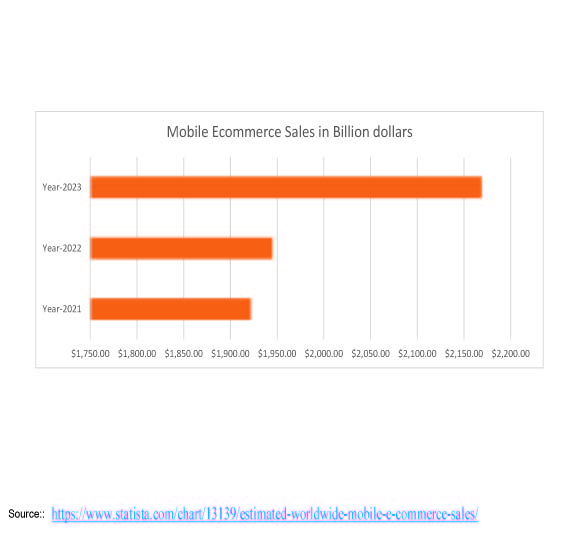
E-commerce has grown significantly in the last decade, particularly in food, clothing, and groceries industries. This growth has raised logistic challenges, particularly in the Last Mile. Technological advancements have led to innovative solutions like drones, smart parcel stations, robots, and crowdsourcing. It is a Customer-Centric transportation and delivery procedure. Focuses on delivering directly to the end user, often requiring precise timing and location accuracy. It involves high cost. Can account for 30-50% of total logistics costs due to inefficiencies like failed deliveries, traffic, or fragmented routes. It is complex and involves navigating urban congestion, coordinating delivery windows, and addressing customer preferences such as same-day delivery or specific time slots.
Relation to the Future of Urban Logistics
Last mile delivery is a pivotal element shaping the future of urban logistics, as cities become denser and consumer expectations for faster, more sustainable deliveries grow. Emerging trends and technologies are transforming this space to address challenges and improve efficiency.
Technology Integration
In this procedure, supply chain managers can opt to drones and autonomous Vehicles. Companies are exploring drones and self-driving delivery vans to reduce costs and bypass traffic. For example, trials by Amazon and UPS have shown potential for drone deliveries in urban areas. We can use AI and Route Optimization. Advanced algorithms optimize delivery routes in real-time, minimizing fuel use and time spent in congested urban zones.
IoT and Real-Time Tracking procedure used in this procedure. Internet of Things (IoT) devices enable precise tracking, improving transparency and allowing customers to adjust delivery preferences dynamically.
Sustainability Initiatives
Electric Vehicles are used to ensure sustainability in business. Urban logistics is shifting toward EVs to reduce emissions, with companies like DHL and FedEx expanding electric fleets. Small, localized warehouses in urban areas shorten delivery distances, reducing carbon footprints and speeding up deliveries.In dense cities, eco-friendly options like cargo bikes or pedestrian couriers are gaining traction for last mile delivery.
Consumer-Driven Solutions
Services like Amazon Lockers or local pickup stations reduce failed deliveries and consolidate drop-offs.
Platforms like Uber or DoorDash leverage gig economy workers for flexible, on-demand last mile delivery.
Same-day or even one-hour delivery services are becoming standard, driven by e-commerce giants and startups.
Urban Planning and Policy
Cities are adapting infrastructure, like designated delivery zones or low-emission zones, to streamline last mile logistics.Collaboration between municipalities and logistics providers enables better traffic management and delivery scheduling.
Future Outlook
The future of urban logistics hinges on making last mile delivery faster, cheaper, and greener. Innovations like autonomous delivery robots, predictive analytics for demand forecasting, and urban consolidation centers will reduce congestion and environmental impact. Additionally, as e-commerce continues to grow, scalable and flexible last mile solutions will be critical to meeting consumer demands while addressing urban challenges like limited space and regulatory restrictions.
Robots
Delivery robots, or bots, are autonomous delivery technologies that can improve efficiency, reduce costs, and reduce environmental impact. Starship Technologies, Amazon Scout, and Robby are introducing or selling delivery robots. Bots are slower and can move heavier packages, but require constant monitoring and operation. They can operate multiple bots simultaneously, but cannot directly move between points. Robots offer privacy protection, less weather impact, faster delivery service, and reduced costs. Some bots are already used in parcel, postal, and food delivery industries. (1)
Using bike
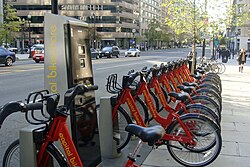
Cargo bikes represent an alternative solution for urban delivery, particularly in congested city centers, offering environmental advantages over traditional vans for last-mile logistics. Both manual and electric cargo bikes are employed across Europe, with studies conducted in cities like Antwerp and Vienna, and adoption by companies such as Amazon in London. Their benefits include access to areas difficult for vans, including pedestrian paths and locations with limited parking. However, their limited carrying capacity necessitates frequent replenishment from decentralized micro-depots or mobile depots, often requiring traditional vehicles for this two-echelon system. While an aging workforce poses a challenge for manual cargo bikes due to fitness requirements, electric versions mitigate this issue.
Problems
The last mile problem is the most expensive stage of the logistics journey, accounting for 53% of total delivery costs. Factors contributing to high costs include dense urban areas, e-commerce, customer expectations, skilled workforce, and rising fuel prices. Rural areas are exacerbated due to dispersed populations and lower demand. Addressing the last mile problem involves route optimization methods, reducing mileage, fuel consumption, and working hours. Businesses can either manually optimize routes or use delivery management technology platforms.(2).
Conclusion
Last mile delivery is the critical link between supply chains and customers, and its evolution—driven by technology, sustainability, and urban planning—will define the efficiency and resilience of urban logistics in the coming years. Due in part to demand on retailers and product manufacturers to provide expedited deliveries, tech-enabled last mile technology platforms have emerged. Increased demand for last-mile fulfillment has put pressure on shippers to manage many types of delivery companies, which range from traditional parcel carriers to couriers, to on-demand service providers that execute an “Uber for delivery” model utilizing contractors.
References:
1. Wassen AM Mohammad, Yousef Nazih Diab, Adel Elomri & Chefi Triki(2023).”Innovative solutions in last mile delivery: concepts, practices, challenges, and future directions”. Supply Chain Forum: An International Journal, 24:2, 151 -169, DOI: 10.1080/16258312.2023.2173488
2. Liu, Lizhi (2024). From Click to Boom: The Political Economy of E-Commerce in China. Princeton University Press. p. 128. ISBN 9780691254104.
3.https://youtu.be/s8Kp1Yki-R4?si=veIk4S5s34SvJ58e
4.https://rumble.com/v6ynhhe-the-future-of-last-mile-delivery.html