


The rise of e-commerce has brought significant changes to the global economy, altering industries and consumer behavior. However, it has also presented challenges and opportunities for supply chain management. E-commerce has led to an increase in demand for quick order fulfillment, requiring more sophisticated logistics networks and faster delivery services. Inventory management has become more complex, with the need for real-time visibility and accurate demand forecasting to prevent stockouts and overstocking. Achieving transparency across the supply chain is crucial for accurate and on-time order fulfillment, while managing returns efficiently is important for customer satisfaction and cost control. Integrating supply chain management with e-commerce platforms allows companies to provide a seamless shopping experience with real-time tracking information and multiple delivery options. An agile and responsive supply chain enables companies to adapt quickly to changes in customer demand and external disruptions, ensuring high levels of customer satisfaction and loyalty. By adopting automation and digital technologies, companies can lower costs, increase efficiency, and gain a competitive edge in the fast-paced e-commerce environment. So, there are Ecommerce challenges and opportunities for supply chain management.
Author: ikram

How Does Semiconductor Technology Impact the Global Supply Chain?
The industry`s annual semiconductor sales revenue has since grown to over $481 billion, as of 2018. In 2021, the sales of semiconductors reached a record $555.9 billion, up 26.2 percent with sales in China reaching $192.5 billion, according to the Semiconductor Industry Association. To make the semiconductor supply chain sustainable, companies need to focus on environmental processes, social practices, and the economy. In order to generate a sustainable future, supply chains should work to improve the manufacturing process and quality, reduce the environmental impact, and protect labor rights. Take time to learn about semiconductor supply chains so you are informed of their impact on the technological industry. As strains between China and the US worsen over Taiwan, and countries across the world reassess connections with Russia following its war In Ukraine, efforts to de-risk chip technologies are causing a realignment of supply chains according to geopolitical relations.
What are The Impacts of RobotMeta on Supply Chain Management: A Case Study
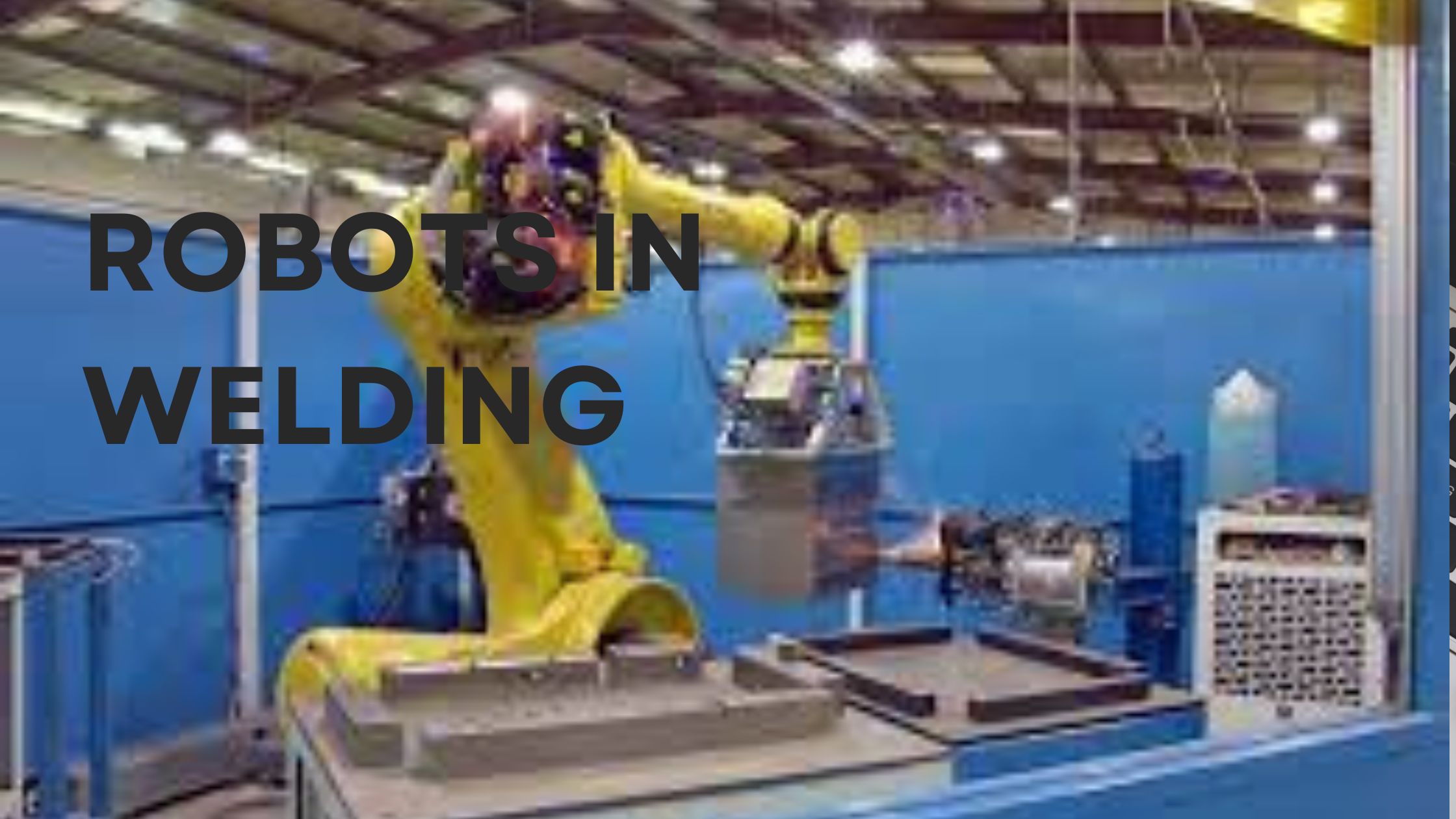
Abstract RobotMeta is a flexible industrial robot company that specializes in welding applications. Their robots are user-friendly, allowing small and medium-sized enterprises (SMEs) to integrate robotic solutions into their operations. They offer ready-to-weld packages including synergic or pulse (MIG/MAG) systems, which are easy to set up and use. RobotMeta’s robotic welding system reduces the time required for welding operations, enabling […]
What is a Supply Chain Management Job and Career?
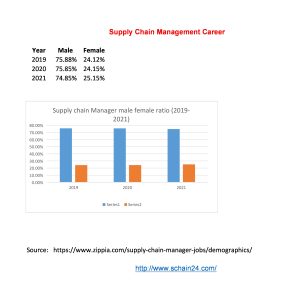
In a case study, based on US-based companies, first-level management is of about 0-4 years. To understand the supply chain management job and career we can remind ourselves about the example of leaf cutter ants. APICS, founded in 1957 as American Production and Inventory Control Society and re-branded as The Association for Supply Chain Management in 2018, launched their CSCP (Certified Supply Chain Professional) programme in 2006. Institute for Supply Management, founded in 1915 as the National Association of Purchasing Agents, launched its CPSM Certified Professional in Supply Management programme in 2008. Council of Supply Chain Management Professionals, founded in 1963 as the Council of Logistics Management, launched their SCPro programme in 2011.For Supply Chain Management roles, “Process Engineer”, and “Supply Chain Analyst”. For Supply Chain Systems Manager roles, “Supply Chain Manager”, Vice President, Supply Chain Management”. For Sales and Customer Service roles, “Account Specialist”/ “Customer Service”, “Customer Service Manager”, “Account Manager/Supply Chain Sales” etc.
What is Cycle View of a Supply Chain? Is it Useful? |
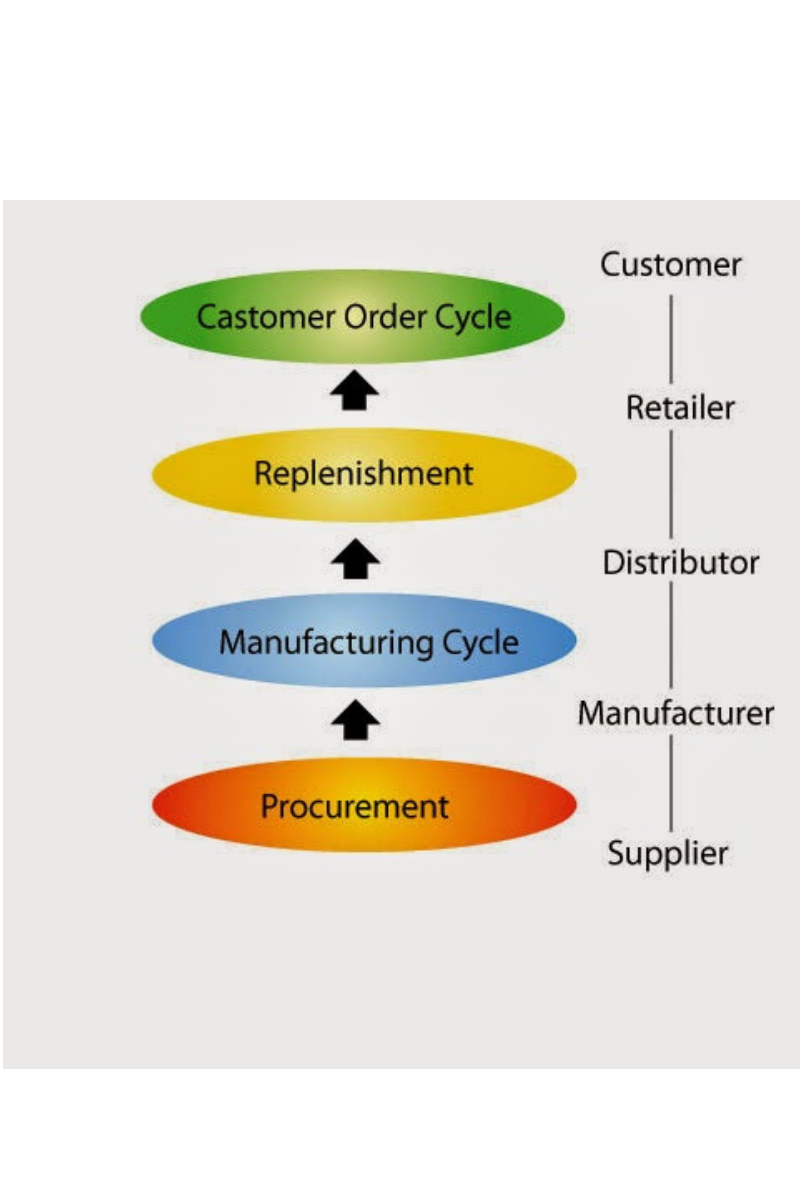
The processes in a Supply Chain are usually divided into a series of cycles, each performed in the interface between two interrelated successive stages of a Supply Chain. Sub-processes in each Supply Chain Process Cycle I.e., each cycle comprises six sub-processes, supplier stage markets a product, buyer stage places order, supplier stage receives order, supplier stage supplies order, buyer stage receives supply, buyer returns reverse flows to a supplier or the third party.

A discussion about Unilever’s Supply Chain Management : A Case Study |
Unilever’s vast operations require a robust SCM to manage the flow of materials across continents and the company is committed to sustainable sourcing practices. Unilever’s supply chain management includes advanced technologies and lean manufacturing principles to optimize production and minimize waste. The company also uses a sophisticated logistics network for timely delivery of products and is embracing digital technologies to enhance supply chain visibility and efficiency, including the use of IoT sensors, AI-powered analytics, and blockchain. Unilever is a pioneer in sustainable practices, such as palm oil sourcing and achieving zero waste to landfill status in many factories, showing its commitment to environmental sustainability. Suppliers who meet Unilever’s criteria for climate leadership can sign the Unilever Climate Promise to demonstrate their commitment to sustainability.
How supply chain planning works: A discussion in brief |
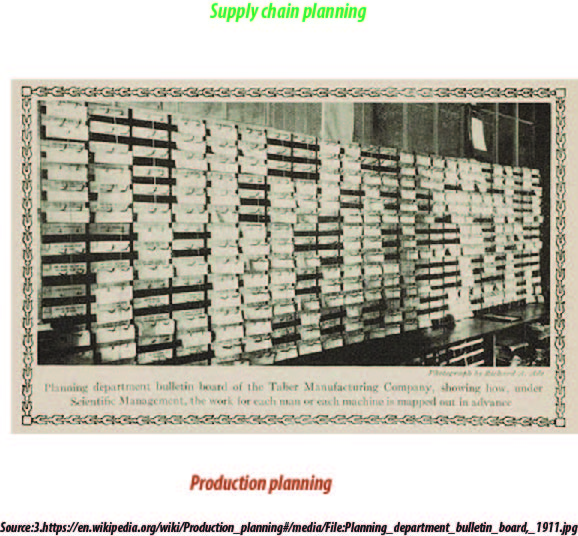
The uncertain nature of the customer demand need to take into consideration by generating the production plan and in particular the production quantities, to meet uncertain customer demand in the best way possible and maximize the profit, by minimizing production costs. Aggregate planning is a process by which a company decides about their ideal levels of capacity, production, inventory, stock-out situations, pricing, subcontracting, etc. Production planning, is the correct placement of production orders concerning place, or region, of production, and time scheduling and sequencing of production orders. The parameters are usually production rate, workforce, overtime, machine capacity level, subcontracting, backlog, and inventory on hand. The amount of overtime production planned is a parameter for aggregate production planning. Production planning for fashion apparel products has to cope with demand uncertainties. Collaborative forecasts created by various enterprises are an important input in aggregate supply chain planning. However, at the time of generating the production plan, the predicted customer demands are largely uncertain.