https://www.schain24.com/wpos_portfolio/happy-new-year-2018/
Happy New Year 2018!


All about Supply Chain Management

Hennes & Mauritz AB is a Swedish multinational clothing-retail company known for its fast-fashion clothing for men, women, teenagers, and children. As of November 2019, H&M operates in 74 countries with over 5,000 stores under the various company brands, with 126,000 full-time equivalent positions. It is the second-largest global clothing retailer, behind Spain-based Inditex (parent company of Zara). Founded by Erling Persson and run by his son Stefan Persson and Helena Helmersson, the company makes its online shopping available in 33 countries.
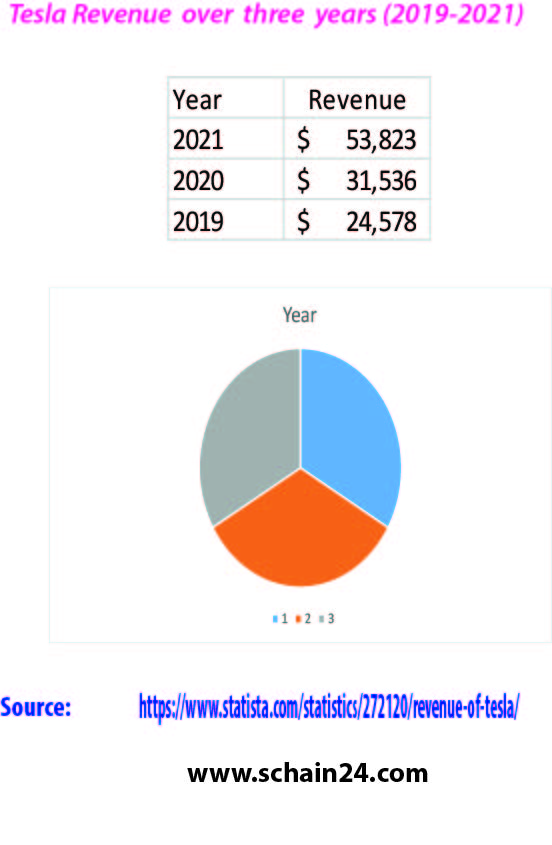
The company was incorporated as Tesla Motors, Inc. on July 1, 2003, by Martin Eberhard and Marc Tarpenning. Eberhard verbalized he wanted to build a car manufacturer that is additionally a technology company, with its core technologies as the battery, the computer software, and the proprietary motor. Tesla Motors has become kenned for engendering well-designed and innovative electric conveyances. To assemble its cars, Tesla sources components from a range of Tesla suppliers. Some suppliers provide mundane car components; others provide electric conveyance components.
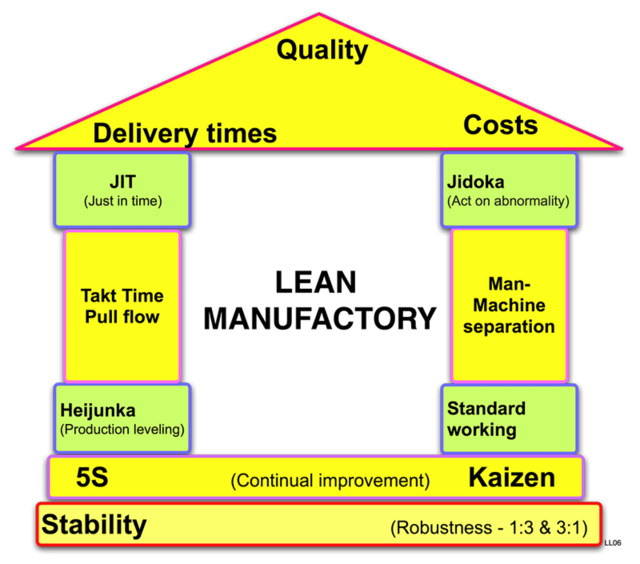
Abstract The popular definition of Lean Manufacturing and the Toyota Production System conventionally consists of the following: To solve the quandary of waste, Lean Manufacturing has The TPS is often used interchangeably with the terms Lean Manufacturing and Lean. Even more importantly, a Lean process is characterized by Lean and the Toyota Production System. The main reason of Lean Manufacturing or TPS is every step of manufacturing should be improved. Lean manufacturing involves never ending efforts to eliminate or reduce “Muda“, a Japanese term used to reduce waste, which does not add value to Supply Chain while make design, manufacturing, distribution and customer service processes in the respective Supply Chain. Things are visually displayed: For communicating with all sorts of people in the factory /supply chain unit visual displays are used as a great tool in the lean manufacturing process.Some techniques used in Lean Manufacturing to eliminate errors of the equipment operator. Keywords: Lean Introduction Lean manufacturing is a synchronized method with which a supply chain can eradicate waste from its production process. According to customer needs, production process is required to develop, so that produced goods become more valuable product in quality. In contemporary manufacturing many supply chains are taking […]