

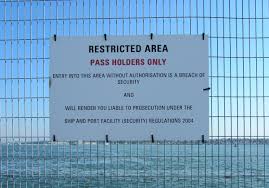
Each ship must develop a unique plan to protect against security threats. The plan must be approved by the ship’s flag state. Port facilities must also develop a security plan to protect port infrastructure. The plan outlines the responsibilities of port facility personnel and how to respond to potential security breaches. The ISPS Code introduces a three-tiered system of security levels: Level 1: Normal security measures, Level 2: Additional security measures due to an elevated threat level, and Level 3: The highest level of security measures is activated in response to a specific threat or a known risk. Each ship and port facility must appoint a Ship Security Officer (SSO) to maintain the security plan and coordinate actions with relevant authorities. Regular training and drills are mandated for both ship and port personnel to ensure personnel are well-prepared for potential security incidents. The code sets guidelines for information sharing and cooperation between all parties to enhance maritime security. The ISPS Code has significantly improved supply chain security, particularly in the global maritime industry. It reduces the risk of terrorist attacks and piracy, enhancing the security of ports that transport goods across international borders. It encourages risk mitigation and threat assessment, enhancing the security of cargo and fostering international cooperation. It improves monitoring and surveillance, requiring port facilities to implement surveillance systems and ships to be equipped with tracking systems. It requires both ships and port facilities to have contingency plans in place in the event of a security breach or a threat. It provides guidelines for the protection of critical infrastructure against physical attacks or other types of sabotage. The ISPS Code instills confidence in global trade and by ensuring consistent security maintenance using International ship and Port Facility Security Code.
Archives

Unveiling Amazon’s Digital Supply Chain Strategies: A Case Study
Amazon’s digital supply chain is a technological marvel, integrating software and hardware to connect every link of the chain, from suppliers to customers. It uses advanced algorithms and machine learning to predict stock needs with precision, ensuring products are available when customers want them. Amazon’s fulfillment centers feature robots and human workers, enhancing efficiency and reducing mistakes. Amazon Web Services (AWS) manages the vast amounts of data generated, allowing Amazon to scale up or down quickly. Amazon’s big data analysis and continuous monitoring of suppliers ensures they meet high standards, allowing for forecasting future trends and preparing the supply chain accordingly. The company has over 175 fulfillment centers worldwide, strategically located to maximize storage and minimize delivery times. Amazon Flex program and local partnerships with regional logistics providers enable competitive delivery times and costs worldwide. Amazon’s supply chain innovations include same-day delivery in many cities, Prime Now hubs, and Amazon Fresh and Pantry.
How to Explain Cold Chain as a Supply Chain and Logistical issue? |
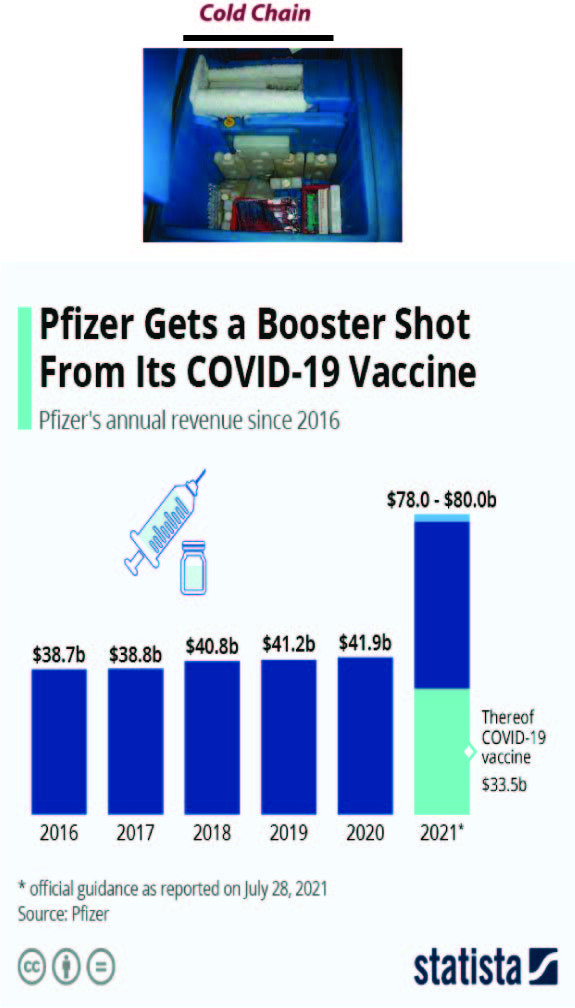
Existing amenities are not enough to store, and deliver a large volume of vaccines within a short time, say experts. The governments are considering banking on the existing cold chain as a supply chain and logistical issue for storing, transporting, and distributing coronavirus vaccines while some professionals say the main challenge will be to manage such a large volume with the existing capacity. On November 5, 2020, the Bangladesh government signed a trilateral memorandum of understanding (MoU) with the Serum Institute of India and Bangladesh’s Beximco Pharmaceuticals Ltd to get three crore doses of Covid-19 vaccines from Serum, keeping in mind the existing cold chain. In 2020 during the COVID-19 pandemic, vaccines being developed may need ultra-cold storage and transportation temperatures as cold as −70 °C (−94 °F), requiring what has been referred to as a “colder chain” infrastructure. Disruption of a cold chain due to war may produce consequences similar to the smallpox outbreaks in the Philippines during the Spanish–American War. The distributed vaccines were inert due to a lack of temperature control in transport. There are no uniform global practices to follow, customs, legal, and compliance issues, effects on the environment, supplier-related risks, issues with cold chain delivery — packaging, hardware issues, vehicle breakdown, etc. Besides the usual elements of risk that plague normal supply chains, cutting-edge cold chain logistics has its own exclusive set of problems such as product sensitivity, the increasing cost of freight, and growing regulatory hurdles.
Navigating Supply Chain Disruptions in 2026: South Asia’s Strategies Amid Iran War
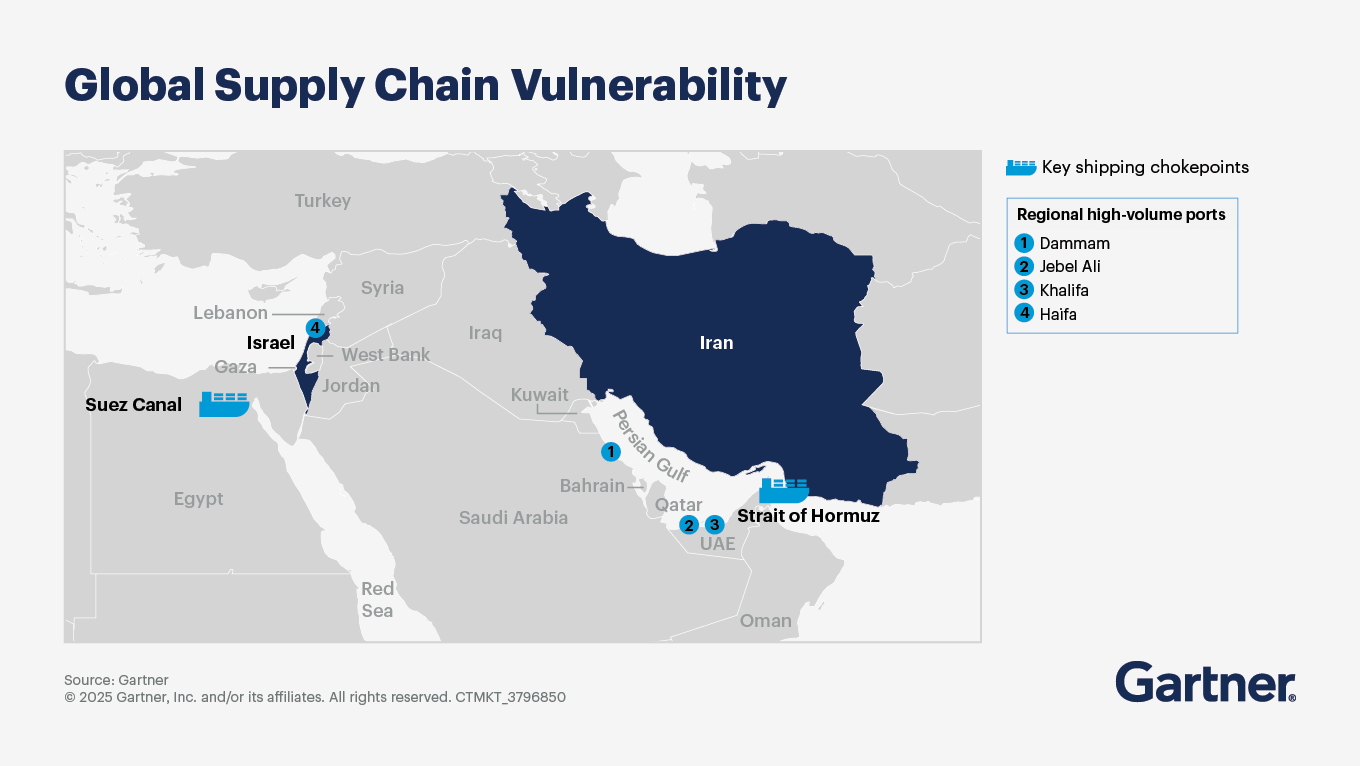
The 2026 Iran-Israel-US war has severely disrupted global supply chains, primarily through near-halt of traffic in the Strait of Hormuz — which normally carries 20% of seaborne oil and 20-25% of LNG — along with escalated threats in the Red Sea and damage to energy infrastructure. This has caused sharp surges in oil and LNG prices, higher freight rates, rerouting via the Cape of Good Hope (adding 10–14 days), and shortages in fertilizers, aluminum, helium, and petrochemicals, threatening agriculture, manufacturing, and consumer goods worldwide.South Asia, heavily reliant on Middle Eastern energy and fertilizers, faces rising costs, shipping delays, and risks to food security and exports. As of early April 2026, countries like Bangladesh, India, and Pakistan are mitigating impacts through emergency imports (including from Russia with waivers), fuel rationing, conservation measures, supplier diversification, and strategic reserves. Navigating Supply Chain Disruptions in 2026, while these steps have prevented immediate collapse, they bring higher inflation and economic strain, especially for Bangladesh’s RMG sector.
What is the Role of Inventory in Supply Chain Management?
In Supply Chain Management (SCM), efficient inventory management is the result of a combination of interdependent procedures that work together to promote robustness and efficiency. Making wise decisions is necessary for inventory optimization in order to preserve equilibrium, reduce carrying costs, and avoid stockouts. Warehouse management uses sophisticated warehouse management systems and tools like SAP MM to guarantee effective product storage, retrieval, and dispatch. Shipping administration, which integrates technologies for route optimization, real-time tracking, and effective returns management, is essential for the efficient, dependable, and quick delivery of goods. Understanding and projecting customer demand is a key component of demand planning and forecasting. Our future product demand predicted by combining historical sales data, market intelligence, forecasts for raw materials, and predictive analytics. By proactively adjusting production schedules, procurement tactics, and supply plans, businesses can avoid stock-outs and guarantee that capital is not tied up.
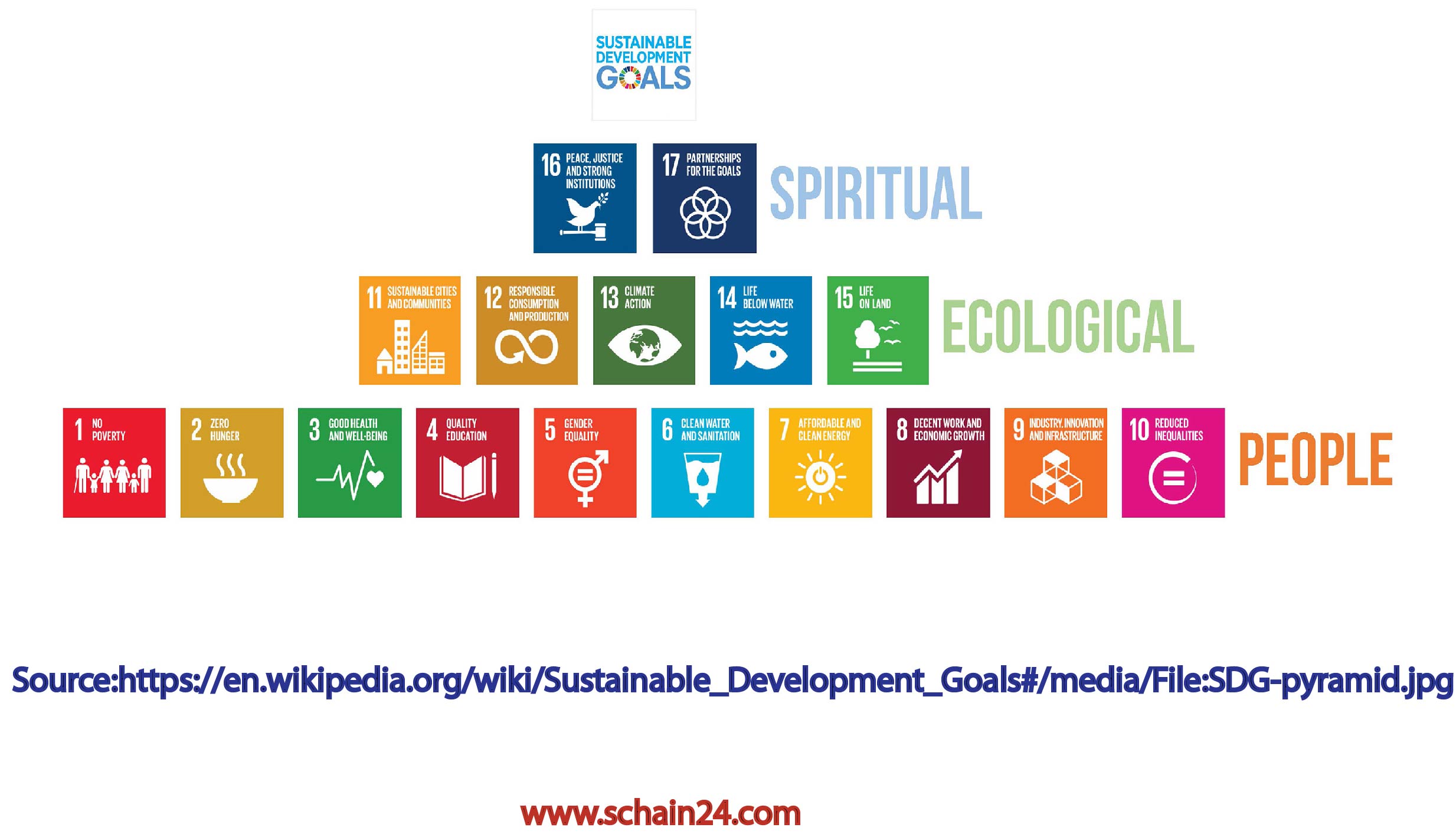
The Sustainable Development Goals (SDGs): Its Effects On Businesses and Brands |
Achieving the Sustainable Development Goals (SDGs) is a critical role for businesses and brands, as it can have a big impact on their operations, strategies, branding, and stakeholder interactions. In order to meet global sustainability goals, promote innovation in goods and services as well as business models, and draw in socially conscious clientele, companies are incorporating the Sustainable Development Goals (SDGs) into their plans. ESG factors are also being considered by investors when making decisions, and businesses that support the SDGs stand to gain access to sustainable finance sources and a greater number of investments.
Goals such as “Climate Action” and “Responsible Consumption and Production” can encourage companies to streamline their supply chains, cut waste, and use more environmentally friendly production techniques. Governments are putting SDG-aligned laws into effect, and businesses need to follow them to avoid fines or reputational harm.
Inside the Supply Chain Manager Position: Roles, Skills, and How to Qualify |
The Supply Chain Manager Position and the roles are crucial in connecting different parts of a business’s supply chain, ensuring the value of the supply chain increases through effective management of supplier support, transportation, and distribution practices. They manage manufacturing and distribution processes, work with procurement managers, buyers, and vendors, negotiate contracts, use software to track goods, use data analytics to forecast demand, cut costs, develop relationships with suppliers and partners, innovate supply chain processes, and stay updated on industry trends. Supply chain management is highly capital-intensive, making it increasingly important for entrepreneurs. Jobs can be in various industries, including manufacturing, government, communication, retail, education, and service sectors. The median annual salary for a senior supply chain manager is about $77,030.