

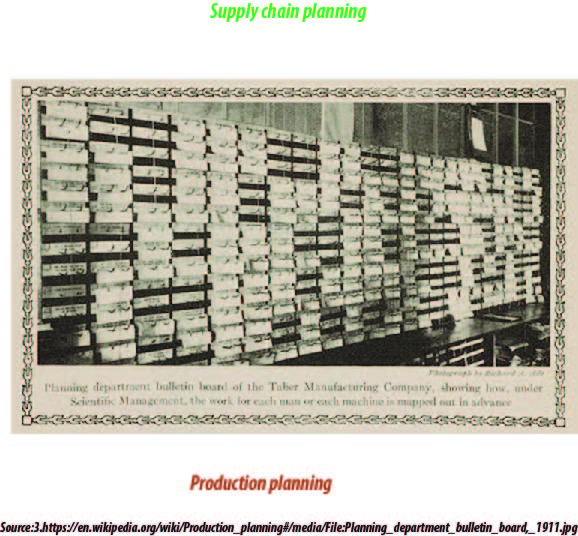
The uncertain nature of the customer demand need to take into consideration by generating the production plan and in particular the production quantities, to meet uncertain customer demand in the best way possible and maximize the profit, by minimizing production costs. Aggregate planning is a process by which a company decides about their ideal levels of capacity, production, inventory, stock-out situations, pricing, subcontracting, etc. Production planning, is the correct placement of production orders concerning place, or region, of production, and time scheduling and sequencing of production orders. The parameters are usually production rate, workforce, overtime, machine capacity level, subcontracting, backlog, and inventory on hand. The amount of overtime production planned is a parameter for aggregate production planning. Production planning for fashion apparel products has to cope with demand uncertainties. Collaborative forecasts created by various enterprises are an important input in aggregate supply chain planning. However, at the time of generating the production plan, the predicted customer demands are largely uncertain.
Search Results for: supply chain planning
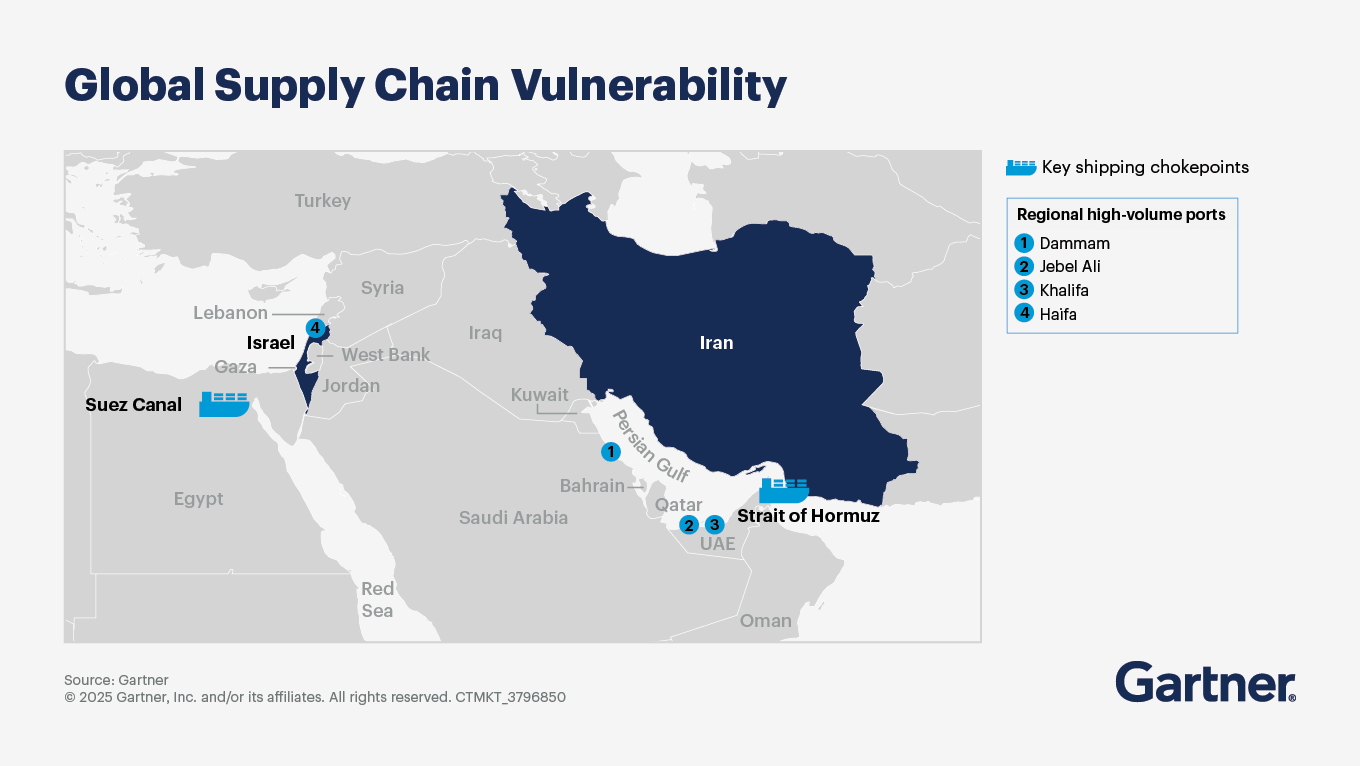
Navigating Supply Chain Disruptions in 2026: South Asia’s Strategies Amid Iran War
The 2026 Iran-Israel-US war has severely disrupted global supply chains, primarily through near-halt of traffic in the Strait of Hormuz — which normally carries 20% of seaborne oil and 20-25% of LNG — along with escalated threats in the Red Sea and damage to energy infrastructure. This has caused sharp surges in oil and LNG prices, higher freight rates, rerouting via the Cape of Good Hope (adding 10–14 days), and shortages in fertilizers, aluminum, helium, and petrochemicals, threatening agriculture, manufacturing, and consumer goods worldwide.South Asia, heavily reliant on Middle Eastern energy and fertilizers, faces rising costs, shipping delays, and risks to food security and exports. As of early April 2026, countries like Bangladesh, India, and Pakistan are mitigating impacts through emergency imports (including from Russia with waivers), fuel rationing, conservation measures, supplier diversification, and strategic reserves. Navigating Supply Chain Disruptions in 2026, while these steps have prevented immediate collapse, they bring higher inflation and economic strain, especially for Bangladesh’s RMG sector.
What is the Role of Inventory in Supply Chain Management?
In Supply Chain Management (SCM), efficient inventory management is the result of a combination of interdependent procedures that work together to promote robustness and efficiency. Making wise decisions is necessary for inventory optimization in order to preserve equilibrium, reduce carrying costs, and avoid stockouts. Warehouse management uses sophisticated warehouse management systems and tools like SAP MM to guarantee effective product storage, retrieval, and dispatch. Shipping administration, which integrates technologies for route optimization, real-time tracking, and effective returns management, is essential for the efficient, dependable, and quick delivery of goods. Understanding and projecting customer demand is a key component of demand planning and forecasting. Our future product demand predicted by combining historical sales data, market intelligence, forecasts for raw materials, and predictive analytics. By proactively adjusting production schedules, procurement tactics, and supply plans, businesses can avoid stock-outs and guarantee that capital is not tied up.
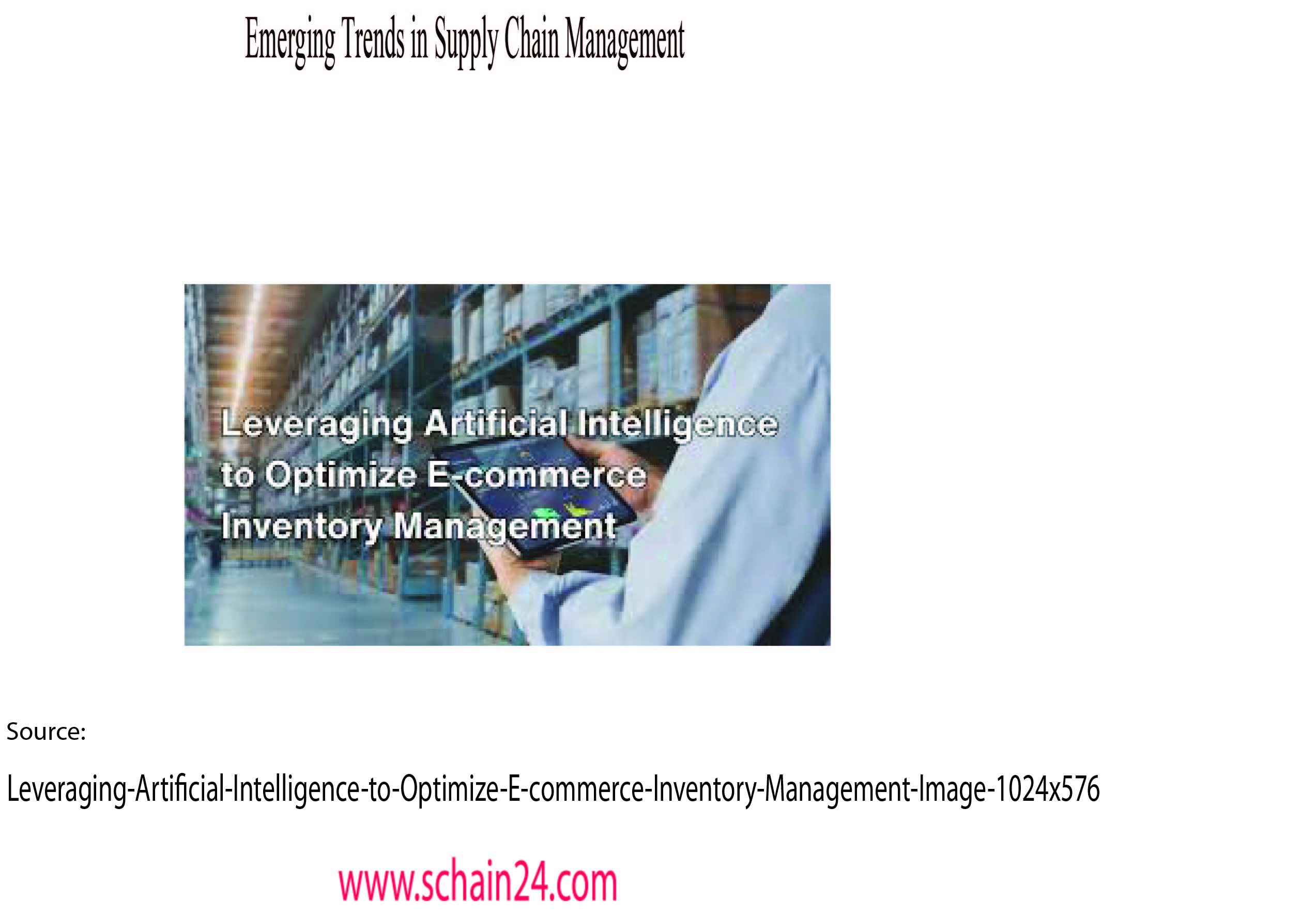
Emerging Trends in Supply Chain Management : A 2026 Perspective
Supply chain management (SCM) is undergoing a profound transformation driven by digitalisation, geopolitical uncertainty, sustainability pressures, and evolving market volatility. By 2026, supply chains are no longer evaluated primarily on efficiency and cost minimisation but on their ability to sense, adapt, and recover from disruption. This article examines the major emerging trends shaping supply chain management in 2026, including agentic artificial intelligence, intelligent control towers, regionalisation strategies, ESG-driven traceability, automation, cybersecurity, and workforce transformation. The analysis highlights a fundamental shift from forecast-centric planning toward decision intelligence and resilience-oriented supply chain design in the emerging trends in supply chain management.
Inside the Supply Chain Manager Position: Roles, Skills, and How to Qualify |
The Supply Chain Manager Position and the roles are crucial in connecting different parts of a business’s supply chain, ensuring the value of the supply chain increases through effective management of supplier support, transportation, and distribution practices. They manage manufacturing and distribution processes, work with procurement managers, buyers, and vendors, negotiate contracts, use software to track goods, use data analytics to forecast demand, cut costs, develop relationships with suppliers and partners, innovate supply chain processes, and stay updated on industry trends. Supply chain management is highly capital-intensive, making it increasingly important for entrepreneurs. Jobs can be in various industries, including manufacturing, government, communication, retail, education, and service sectors. The median annual salary for a senior supply chain manager is about $77,030.
What Makes Toyota’s Supply Chain Management a Benchmark for Excellence? |
Toyota has an effective supply chain strategy that puts value and efficiency first. It has adopted the Just-In-Time (JIT) system, which guarantees on-demand delivery of materials and components while cutting waste and inventory expenses. By employing a tiered supplier system and incorporating employees at all levels in cooperative improvement initiatives, Toyota also cultivates long-term relationships with its suppliers. The Toyota Production System (TPS) maximizes efficiency while reducing waste and overproduction. To match production schedules with market demand, the organization employs sophisticated demand forecasting systems. Toyota also uses buffer stockpiles for essential components and dual-sourcing tactics to proactively manage supply chain risks. For improved supply chain monitoring and predictive analytics, the business incorporates cutting-edge digital technologies like IoT and AI.

A Case Study: Supply Chain Management of BYD Company Ltd. |
BYD, initially a battery manufacturer, has evolved into a leading player in the new energy vehicle (NEV) sector. The supply chain management of BYD Company Ltd is characterized by rapid battery and motor innovation and a strong backward integration model, achieving over 50% self-sufficiency in parts. This strategy has significantly reduced production costs from approximately 257,500 in 2021 to 159,000 in 2023. BYD utilizes smart supply chain practices, including AI and big data, to enhance logistics and demand forecasting. Sustainability efforts are integrated through green procurement and circular development strategies. As BYD expands internationally, it faces challenges in cross-border logistics and regulatory frameworks. Despite its strengths in cost control and supply security, issues such as slow delivery times and fragmented data systems remain. Additionally, the company must navigate ethical and regulatory risks associated with global sourcing, contrasting with Tesla’s software-driven competitiveness and distributed manufacturing strategy.