

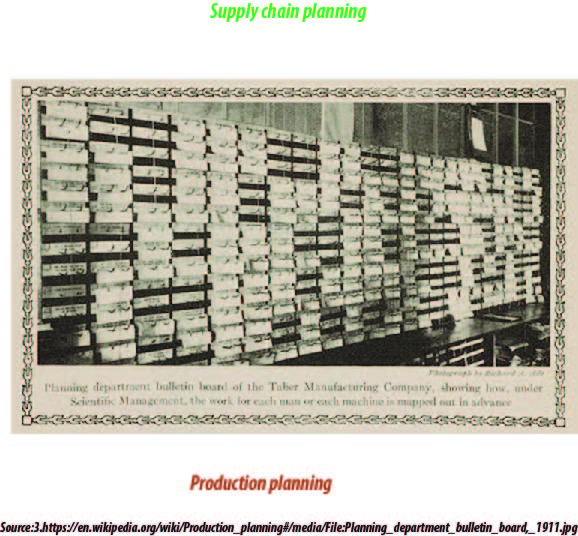
The uncertain nature of the customer demand need to take into consideration by generating the production plan and in particular the production quantities, to meet uncertain customer demand in the best way possible and maximize the profit, by minimizing production costs. Aggregate planning is a process by which a company decides about their ideal levels of capacity, production, inventory, stock-out situations, pricing, subcontracting, etc. Production planning, is the correct placement of production orders concerning place, or region, of production, and time scheduling and sequencing of production orders. The parameters are usually production rate, workforce, overtime, machine capacity level, subcontracting, backlog, and inventory on hand. The amount of overtime production planned is a parameter for aggregate production planning. Production planning for fashion apparel products has to cope with demand uncertainties. Collaborative forecasts created by various enterprises are an important input in aggregate supply chain planning. However, at the time of generating the production plan, the predicted customer demands are largely uncertain.
Search Results for: supply chain planning
Emerging Trends in Supply Chain Management : A 2026 Perspective |
Supply chain management (SCM) is undergoing a profound transformation driven by digitalisation, geopolitical uncertainty, sustainability pressures, and evolving market volatility. By 2026, supply chains are no longer evaluated primarily on efficiency and cost minimisation but on their ability to sense, adapt, and recover from disruption. This article examines the major emerging trends shaping supply chain management in 2026, including agentic artificial intelligence, intelligent control towers, regionalisation strategies, ESG-driven traceability, automation, cybersecurity, and workforce transformation. The analysis highlights a fundamental shift from forecast-centric planning toward decision intelligence and resilience-oriented supply chain design in the emerging trends in supply chain management.

How to enhance supply chain management efficiency using AI technology? |
AI uses historical sales, market trends, weather, and social media to predict demand with higher accuracy so that it enhances supply chain management efficiency. Machine learning models detect patterns and seasonal trends, reducing overstock and stockouts. AI algorithms aid in route planning, fleet management, and delivery
scheduling, reducing transportation costs. AI-powered systems manage factory floors and production lines more efficiently, enhancing capabilities and reducing machine downtime. Robotic Process Automation and AI automate repetitive supply chain tasks, including order processing, invoicing, vendor communication, and procurement workflows.AI enhances supplier selection, risk assessment, and collaboration, with improvements in risk prediction, AI-powered supplier scorecards, and automated negotiation.AI and computer vision enable
smart warehousing, with AI-driven robots for picking and packing, real-time inventory tracking, and optimized layout and storage space. AI chatbots and virtual agents ensure a responsive and proactive customer service experience. AI-based analytics platforms provide real-time dashboards and predictive insights, scenario modeling for disruptions, cost-to-serve analytics, and recommendation systems for best supplier and logistics choices.
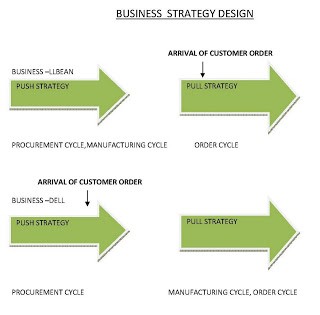
About the Push-Pull view of Supply Chain Process Even Today’s World ।
The Supply Chain processes start cases with the express market needs, which pushes research and development, which pushes production and production pushes marketing to meet the already expressed demand. If the customer orders are speculative and order execution is initiated based on anticipation, then the Supply Chain process is under the “Push” process. Demand is not filled from finished product inventory but from production. In Logistic Chains or supply chains, the stages are operating normally in both a “Push” and “Pull” manner. The Supply Chain processes start sometimes with research and development, which pushes Production. The execution of the Supply Chain process is reactive to customer demand according to the Push-Pull view of Supply Chain.
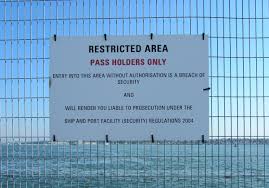
How Does the International ship and Port Facility Security Code Enhance Supply Chain Security?
Each ship must develop a unique plan to protect against security threats. The plan must be approved by the ship’s flag state. Port facilities must also develop a security plan to protect port infrastructure. The plan outlines the responsibilities of port facility personnel and how to respond to potential security breaches. The ISPS Code introduces a three-tiered system of security levels: Level 1: Normal security measures, Level 2: Additional security measures due to an elevated threat level, and Level 3: The highest level of security measures is activated in response to a specific threat or a known risk. Each ship and port facility must appoint a Ship Security Officer (SSO) to maintain the security plan and coordinate actions with relevant authorities. Regular training and drills are mandated for both ship and port personnel to ensure personnel are well-prepared for potential security incidents. The code sets guidelines for information sharing and cooperation between all parties to enhance maritime security. The ISPS Code has significantly improved supply chain security, particularly in the global maritime industry. It reduces the risk of terrorist attacks and piracy, enhancing the security of ports that transport goods across international borders. It encourages risk mitigation and threat assessment, enhancing the security of cargo and fostering international cooperation. It improves monitoring and surveillance, requiring port facilities to implement surveillance systems and ships to be equipped with tracking systems. It requires both ships and port facilities to have contingency plans in place in the event of a security breach or a threat. It provides guidelines for the protection of critical infrastructure against physical attacks or other types of sabotage. The ISPS Code instills confidence in global trade and by ensuring consistent security maintenance using International ship and Port Facility Security Code.
Navigating Supply Chain Disruptions in 2026: South Asia’s Strategies Amid Iran War
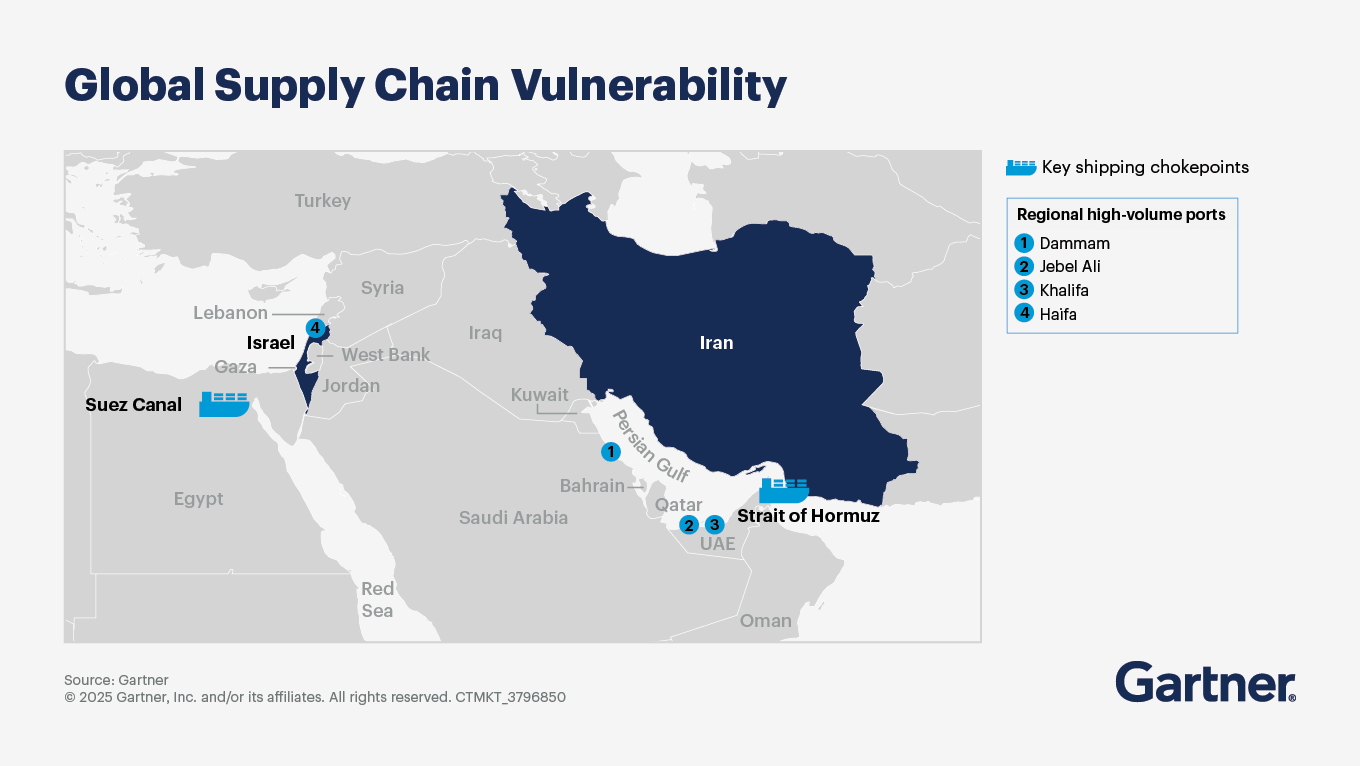
The 2026 Iran-Israel-US war has severely disrupted global supply chains, primarily through near-halt of traffic in the Strait of Hormuz — which normally carries 20% of seaborne oil and 20-25% of LNG — along with escalated threats in the Red Sea and damage to energy infrastructure. This has caused sharp surges in oil and LNG prices, higher freight rates, rerouting via the Cape of Good Hope (adding 10–14 days), and shortages in fertilizers, aluminum, helium, and petrochemicals, threatening agriculture, manufacturing, and consumer goods worldwide.South Asia, heavily reliant on Middle Eastern energy and fertilizers, faces rising costs, shipping delays, and risks to food security and exports. As of early April 2026, countries like Bangladesh, India, and Pakistan are mitigating impacts through emergency imports (including from Russia with waivers), fuel rationing, conservation measures, supplier diversification, and strategic reserves. Navigating Supply Chain Disruptions in 2026, while these steps have prevented immediate collapse, they bring higher inflation and economic strain, especially for Bangladesh’s RMG sector.
What is the Role of Inventory in Supply Chain Management?
In Supply Chain Management (SCM), efficient inventory management is the result of a combination of interdependent procedures that work together to promote robustness and efficiency. Making wise decisions is necessary for inventory optimization in order to preserve equilibrium, reduce carrying costs, and avoid stockouts. Warehouse management uses sophisticated warehouse management systems and tools like SAP MM to guarantee effective product storage, retrieval, and dispatch. Shipping administration, which integrates technologies for route optimization, real-time tracking, and effective returns management, is essential for the efficient, dependable, and quick delivery of goods. Understanding and projecting customer demand is a key component of demand planning and forecasting. Our future product demand predicted by combining historical sales data, market intelligence, forecasts for raw materials, and predictive analytics. By proactively adjusting production schedules, procurement tactics, and supply plans, businesses can avoid stock-outs and guarantee that capital is not tied up.