

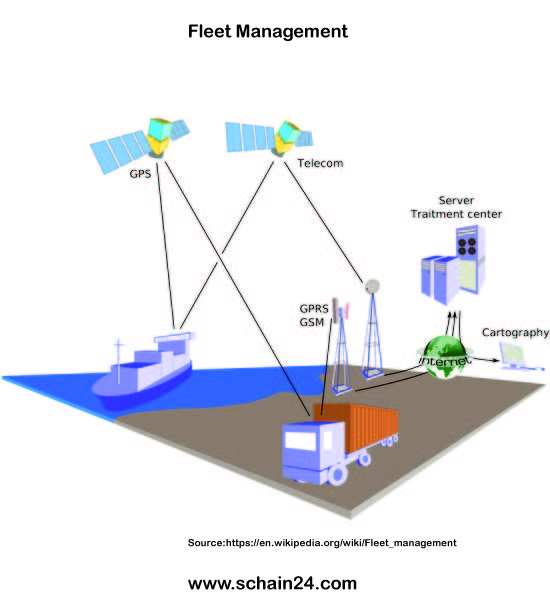
Introduction The fleet functions like an orchestra, where even one malfunctioning piece of equipment can disrupt harmony and affect performance. That is why fleet managers place such great importance on developing robust maintenance schedules. Proper scheduling unlocks new levels of efficiency, keeps down fleet management costs, and improves the lifespan of crucial machinery. Here are some best practices to […]
Category: Supply Chain Management
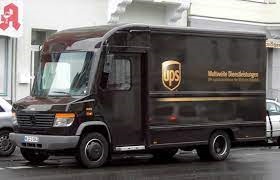
United Parcel Services Inc. : UPS Supply Chain Case Study
The American Messenger Company, founded in 1907, primarily focused on package delivery to retail stores and special delivery mail for the U.S. Post Office. In 1913, it acquired a Model T Ford as its first delivery vehicle. In 1919, the company expanded to Oakland, California, changing its name to United Parcel Service. UPS became one of the only companies in the United States to offer common carrier service, expanding to areas up to 125 miles outside the city. UPS faced direct competition with USPS and the Interstate Commerce Commission, but the common carrier service was applied in cities where UPS could use the service without the authority of the ICC and state commerce commissions. In 1953, UPS resumed air service called UPS Blue Label Air. UPS expanded its operations to serve all 48 contiguous states in the United States, Canada, and West Germany. In 1991, UPS relocated its headquarters to Sandy Springs, Georgia, and acquired Haulfast and Carryfast, rebranding them UPS Supply Chain Solutions. UPS offers international package services to over 220 countries and territories worldwide. The company faces competition from major domestic carriers like the United States Postal Service (USPS) and FedEx, as well as regional carriers like OnTrac and LSO. UPS has partnered with the US Postal Service to offer UPS Mail Innovations and “SurePost,” which use the UPS Ground network to deliver packages weighing under 10 pounds to the nearest UPS Package Center. UPS has received a “striding” environmental scorecard and received the Clean Air Excellence Award from the US Environmental Protection Agency.
How Reverse Logistics impacts on Supply Chain Management |
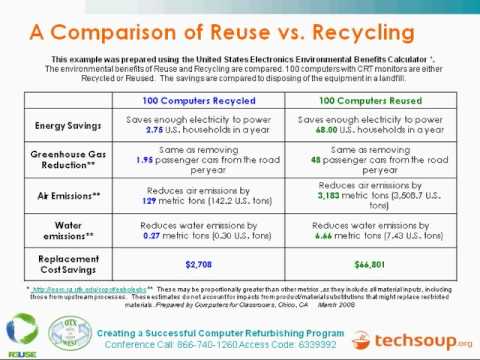
Returns avoidance, gate keeping, disposal and other supply chain issues are related with reverse logistics. The product may need to travel in reverse through the entire supply chain network to retain use of any service from the defective goods. There are closed loop supply chain networks that include returns processing and manufacturer has the intention to capture additional value and integrate all supply chain activities. Usually, asset based three 3PLs work as third party who are specialized in waste management and related activities. Reuse of manufactured and sold goods After sales service and returns management are sometimes related to the logistic companies.
IMAFS The Inventory Optimization Software
Abstract IMAFS the inventory optimization software helps knowledge gathering areas, such as, solution oriented and stock availability management, best practices in inventory management, support from experts, evolution of ROI before implementation and simplify integration, proven and rigorous implementation methodology using cloud/SAAS mode, continuous improvement with R&D, and user-friendly, integration manual parameters also. A poor delivery performance can affect consumption history.A […]
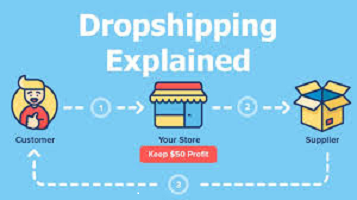
What is drop shipping: a supply chain distribution network option |
In drop-sip model, product is shipped directly from manufacturer end bypassing a retailer. Benefits of aggregation can be achieved, if the manufacturer can keep some of its inventory at the retailer end on and as needed basis. In addition, drop-shipping offers manufacturer an opportunity to postpone customization until the customer has placed order finally. Response times tend to be long, because the order has to be transmitted from retailer to the manufacturer and shipping distance are generally longer from the manufacturer’s centralizing site. Order visibility is very important in the context of manufacturer storage, because two stages in the supply chain are involved in every customer order. But a manufacturer storage network is likely to have difficulty handling returns, so that customer satisfaction may be hurt. Because, each order may involve more than one manufacturer.
Keywords: drop-shipping.
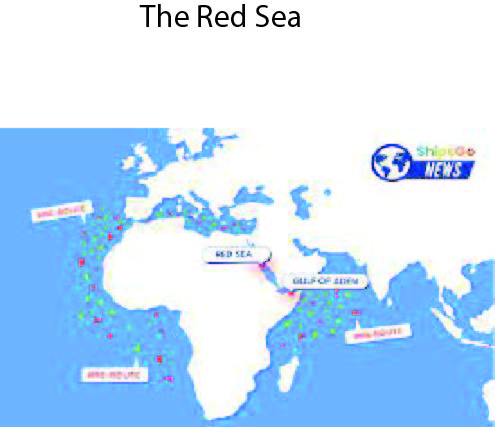
The Red Sea: A discussion in a supply chain perspective
The Red Sea, a major sea route connecting Europe, the Persian Gulf, and East Asia, is facing increased attacks by Houthi insurgents in Yemen since mid-November 2023. The US has announced a maritime coalition to defend shipping in the area. The Eastern shore includes Saudi Arabia and Yemen, while the Western shore includes Egypt, Sudan, Eritrea, and Djibouti. Maersk has halted all transits through the Red Sea/Gulf of Aden until further notice, while Hapag-Lloyd has extended its rerouting around Africa. CMA CGM has announced rate increases from Asia to North Europe, and carriers are redirecting Asia to US East Coast services via Panama.
What SCM Professionals Overlook When it Comes to Optimizing!
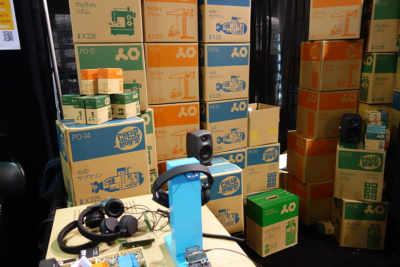
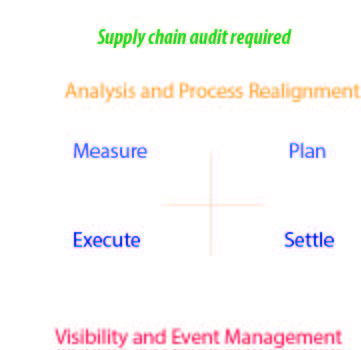
Decreasing the amount of packaging a firm is using can reduce waste and increase positive public perception of your organization. Ideally, a supply chain will be conscious of the cost-cutting importance of recycled materials. Taking an audit of packaging can reveal ways to “cut the fat” and make the packaging a lean machine that helps to keep the workflow moving along nicely. Many things happen in the supply chain that is hard to control. Technology in the warehouse, in transportation for inventory, and more is incredibly important but there are other smaller, less expensive steps that some companies have been using that not only optimize the chain but also save money and improve public perception. Every supply chain executive has the duty of auditing the process to make changes where improvements are possible. This is a simple plan to integrate into the system with the right packaging option. A common mistake that we find in many supply chains is the tendency to overpack goods for shipping and storage. The goal is to use packaging that delivers flexible options i.e., easy to manage, easy to store, does not generate waste and delivers the best value. When our supply chain is using packaging that the supply chain cannot reuse, we are essentially throwing good money after bad. According to statistics, there were over 35.4 million tons of paper and cardboard generated in 2016 and (16.3 million tons for each of these waste materials in 2016 and that was just in the EU! In the United States, packaging waste is around 77 million tons just in cardboard packaging waste. Even supply professionals who are not well-versed in packaging will understand the importance of using packaging that enhances workflow, and protection and reduces risk. In the perfect packaging scenario, our packaging needs to be recycled in the supply chain. The costs of waste generated by packaging materials are tremendous not just economically but environmentally as well.