About This Blog


All about Supply Chain Management

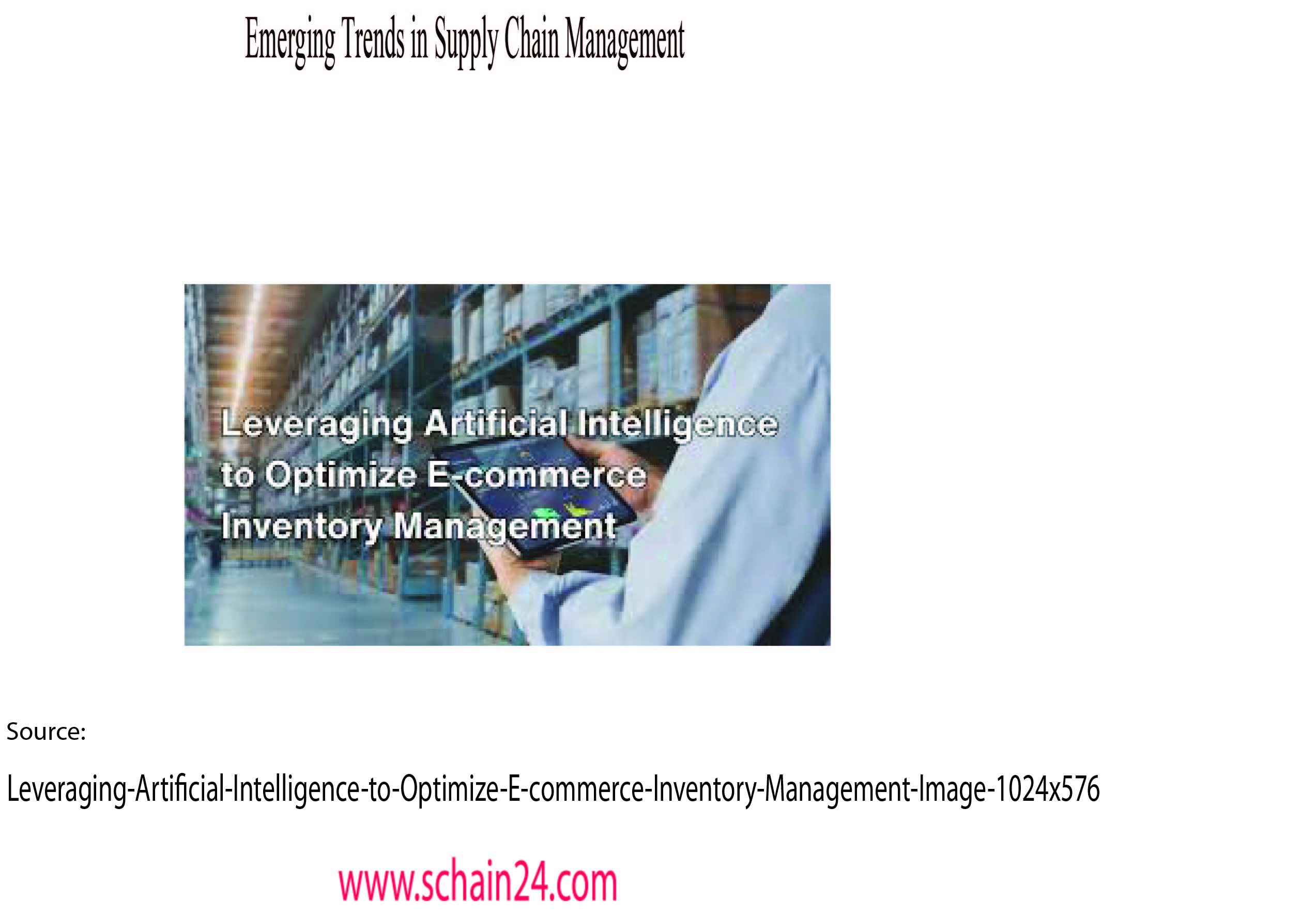
Supply chain management (SCM) is undergoing a profound transformation driven by digitalisation, geopolitical uncertainty, sustainability pressures, and evolving market volatility. By 2026, supply chains are no longer evaluated primarily on efficiency and cost minimisation but on their ability to sense, adapt, and recover from disruption. This article examines the major emerging trends shaping supply chain management in 2026, including agentic artificial intelligence, intelligent control towers, regionalisation strategies, ESG-driven traceability, automation, cybersecurity, and workforce transformation. The analysis highlights a fundamental shift from forecast-centric planning toward decision intelligence and resilience-oriented supply chain design in the emerging trends in supply chain management.
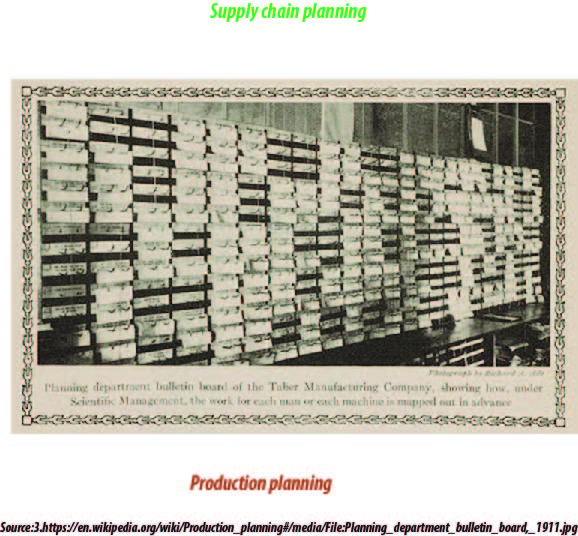
The uncertain nature of the customer demand need to take into consideration by generating the production plan and in particular the production quantities, to meet uncertain customer demand in the best way possible and maximize the profit, by minimizing production costs. Aggregate planning is a process by which a company decides about their ideal levels of capacity, production, inventory, stock-out situations, pricing, subcontracting, etc. Production planning, is the correct placement of production orders concerning place, or region, of production, and time scheduling and sequencing of production orders. The parameters are usually production rate, workforce, overtime, machine capacity level, subcontracting, backlog, and inventory on hand. The amount of overtime production planned is a parameter for aggregate production planning. Production planning for fashion apparel products has to cope with demand uncertainties. Collaborative forecasts created by various enterprises are an important input in aggregate supply chain planning. However, at the time of generating the production plan, the predicted customer demands are largely uncertain.
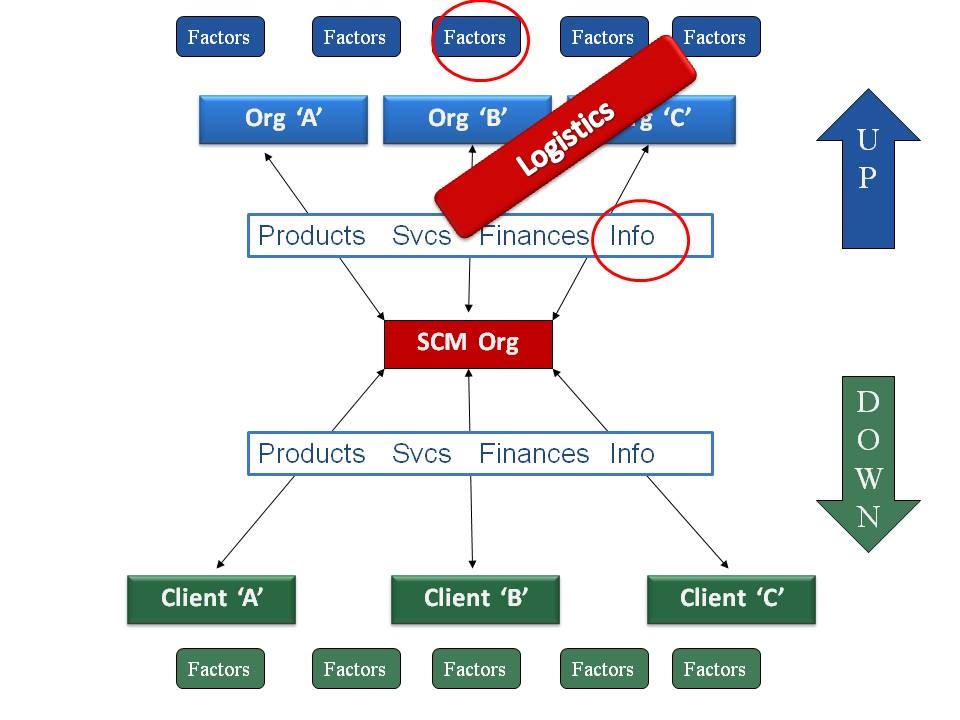
In a case study, based on USA-based companies, first-level management is of about 0-4 years.To understand the supply chain management career we can remind ourselves about the example of leaf cutter ants.But Supply Chain Managers attempt and optimize the steps to produce the necessary amount of product and deliver the product to the end user at the right time when consumers need it.APICS, Founded in 1957 as American Production and Inventory Control Society and re-branded as The Association for Supply Chain Management in 2018, launched their CSCP (Certified Supply Chain Professional) programme in 2006. Institute for Supply Management, Founded in 1915 as the National Association of Purchasing Agents, launched its CPSM Certified Professional in Supply Management programme in 2008. Council of Supply Chain Management Professionals, Founded in 1963 as the Council of Logistics Management, launched their SCPro programme in 2011.For Supply Chain Management roles, “Process Engineer”, and “Supply Chain Analyst”.For Supply Chain Systems Manager roles, “ Supply Chain Manager”, Vice President, Supply Chain Management”.For Sales and Customer Service roles, “Account Specialist”/ “Customer Service”, “Customer Service Manager”, “Account Manager/Supply Chain Sales” etc.
You must be logged in to post a comment.
Great! It's supply chain management site. Many valuable resources available here. Thanks from Mobile Marketing
great site very educative and professional blogs
Supply chain management is becoming important for consumer confidence in certified products.Supply chain management courses
Hi,
I am appreciated .
Please visit upcoming articles also.
Thanking you.
Certification is important for a professional.But to continue certification procedures are a bit costly.
thanks for having such a nice and easy site! i’m not very cpumoter literate and i’m not able to download anything like so many other places require you to do. thanks for making yours user friendly!
whoah this weblog is fantastic i love studying your posts.
Stay up the good work! You already know, many individuals are hunting round for this info,
you could aid them greatly.