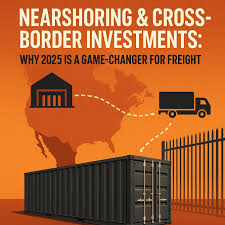
Nearshoring to Mexico offers US manufacturers a compelling mix of shorter supply chains, cost competitiveness, and enhanced resilience in 2026. Goods reach US customers in 3–5 days by truck or rail versus 15–50+ days from Asia, enabling leaner inventories, faster demand response, and lower disruption risks. Labor costs for skilled workers remain competitive at around $7–$8 per hour in many areas, while proximity slashes freight expenses and strong USMCA compliance delivers near duty-free access, buffering tariff volatility. Benefits include reduced exposure to geopolitical tensions, easier oversight and collaboration, access to a young skilled workforce, expanding industrial clusters in hubs like Monterrey and Guadalajara, and a lower carbon footprint. Mexico has become the top US import source, surpassing China with deep integration in automotive, electronics, machinery, and medical devices. While it effectively replaces or diversifies 20–40%+ of certain offshore volumes through “China+1” strategies—particularly for high-mix, time-sensitive, or mid-volume products—nearshoring is not a full substitute for ultra-low-cost, high-volume Asian production due to scale differences, rising wages, and infrastructure constraints. Most companies adopt hybrid models, leveraging Mexico for agility and resilience while retaining selective Asian offshoring for basics, delivering superior overall value for many supply chains.
Nearshoring to Mexico offers US manufacturers a compelling mix of shorter supply chains, cost competitiveness, and enhanced resilience in 2026. Goods reach US customers in 3–5 days by truck or rail versus 15–50+ days from Asia, enabling leaner inventories, faster demand response, and lower disruption risks. Labor costs for skilled workers remain competitive at around $7–$8 per hour in many areas, while proximity slashes freight expenses and strong USMCA compliance delivers near duty-free access, buffering tariff volatility. Benefits include reduced exposure to geopolitical tensions, easier oversight and collaboration, access to a young skilled workforce, expanding industrial clusters in hubs like Monterrey and Guadalajara, and a lower carbon footprint. Mexico has become the top US import source, surpassing China with deep integration in automotive, electronics, machinery, and medical devices. While it effectively replaces or diversifies 20–40%+ of certain offshore volumes through “China+1” strategies—particularly for high-mix, time-sensitive, or mid-volume products—nearshoring is not a full substitute for ultra-low-cost, high-volume Asian production due to scale differences, rising wages, and infrastructure constraints. Most companies adopt hybrid models, leveraging Mexico for agility and resilience while retaining selective Asian offshoring for basics, delivering superior overall value for many supply chains.




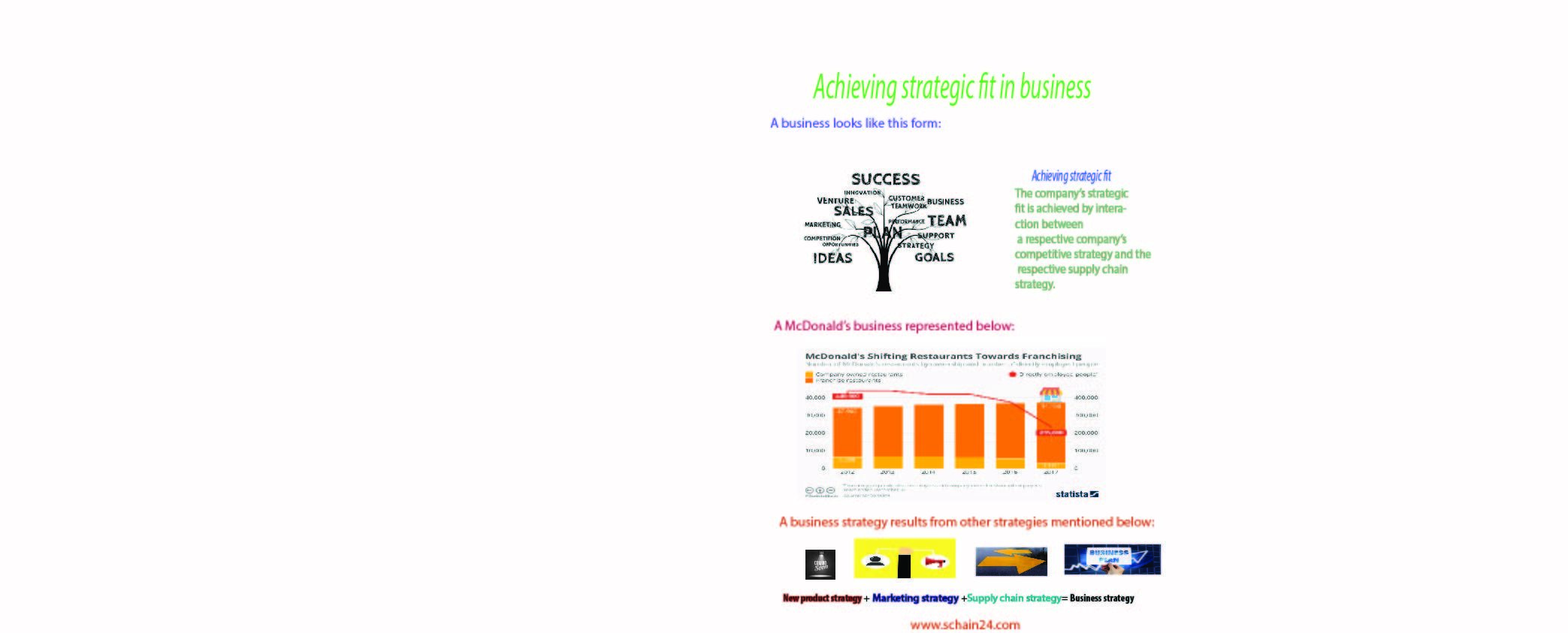

your article is nice i really like this article its used for all business people. it helps with small business and all types of business. online supply chain management degree helps with students to make one business sector. and it will provided for the all types of business processes.
Thanks for your kind appreciation.You are invited to visit other articles and my youtube channel also.And leave valuable comments.
Its like you read my mind! You seem to know so much about this, like you wrote the book in it or something. I think that you can do with a few pics to drive the message home a little bit, but other than that, this is excellent blog. A fantastic read. I will certainly be back.
Hello. splendid job. I did not expect this. This is a fantastic story. Thanks!