Would like to share a Supply Chain Management (also other events) with you initiated by Mind Mapper:
Upcoming Training – Mind Mapper Bangladesh
These upcoming programs may not directly supply chain Management training. But indirectly, they will enhance the supply chain management no doubt. These programs are such as “Time and Stress Management”, “Effective Negotiation Skills”, “Great people great habits”, “Communication Secrets” etc.
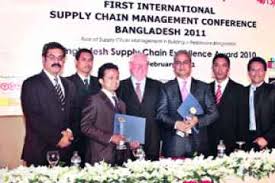
Events
For “Time and Stress Management” the key facilitator is Madhusudan Dutta, who is an International Certified Master Trainer.
The Outlines:
Two things outlined in the above mentioned training program, one is time management and another is stress management. Both are vital point at our official job of any nature. From worker to high level decision makers, all should have at least minimum expertise to manage time and stess.If anyone have lack of these expertise they would be unable to do any work. We usually see that more capable people have both time management and stress management capabilities.
For “Effective Negotiation Skills”, the key facilitator is Ejazur Rahman, MBA,CSCM,AIMM, MD, Mind Mappers Bangladesh, CEO-ISCEA, Bangladesh.We all should have minimum negotiation skills in our life; otherwise, our life would be a hassle. Specially,those who are doing business management or some other area like worker management, they must be good negotiator. To be specialized these kinds of trainings will be good to do negotiating more effectively.
“Great people great habits”, is a training program for which key facilitator is Madhusudan Dutta, who is an International Certified Master
Trainer. If someone tell us about some good habits and we practice them accordingly,it is helpful to a great extent in our personal and
official or factory life.
“Communication Secrets” key facilitator is Ejazur Rahman, MBA,CSCM,AIMM, MD, Mind Mappers Bangladesh, CEO-ISCEA, Bangladesh.
So far, this is similar to some extent with negotiation skills. Bad or faulty communication can result in opposite direction. This is not good for personal life or an organization. So, we should learn these things properly.
Conclusion:
This kind of training may be repeated at intervals, so that more people/employers can take the chance at different areas.
The processes in a Supply Chain are usually divided into a series of cycles, each performed in the interface between two interrelated successive stages of a Supply Chain. Sub-processes in each Supply Chain Process Cycle I.e., each cycle comprises six sub-processes, supplier stage markets a product, buyer stage places order, supplier stage receives order, supplier stage supplies order, buyer stage receives supply, buyer returns reverse flows to a supplier or the third party.
Introduction: While discuss about Supply Chain Management Network Design the business issue of Supply Chain Sustainability is included by high level executives. Supply Chain Sustainability is affecting an organization’s logistic and Supply Chain Network in terms of environment, risk and cost of wastes. This is considered essential to deliver long term profitability instead of monetary cost, speed and value as dominant issue. There is a […]
Each ship must develop a unique plan to protect against security threats. The plan must be approved by the ship’s flag state. Port facilities must also develop a security plan to protect port infrastructure. The plan outlines the responsibilities of port facility personnel and how to respond to potential security breaches. The ISPS Code introduces a three-tiered system of security levels: Level 1: Normal security measures, Level 2: Additional security measures due to an elevated threat level, and Level 3: The highest level of security measures is activated in response to a specific threat or a known risk. Each ship and port facility must appoint a Ship Security Officer (SSO) to maintain the security plan and coordinate actions with relevant authorities. Regular training and drills are mandated for both ship and port personnel to ensure personnel are well-prepared for potential security incidents. The code sets guidelines for information sharing and cooperation between all parties to enhance maritime security. The ISPS Code has significantly improved supply chain security, particularly in the global maritime industry. It reduces the risk of terrorist attacks and piracy, enhancing the security of ports that transport goods across international borders. It encourages risk mitigation and threat assessment, enhancing the security of cargo and fostering international cooperation. It improves monitoring and surveillance, requiring port facilities to implement surveillance systems and ships to be equipped with tracking systems. It requires both ships and port facilities to have contingency plans in place in the event of a security breach or a threat. It provides guidelines for the protection of critical infrastructure against physical attacks or other types of sabotage. The ISPS Code instills confidence in global trade and by ensuring consistent security maintenance using International ship and Port Facility Security Code.
One thought on “About Some Training Programs”
Great and meaningful post about supply chain management workshop news. I found it helpful hope others will treat this useful too. Thanks from mobile marketing