About This Blog


All about Supply Chain Management

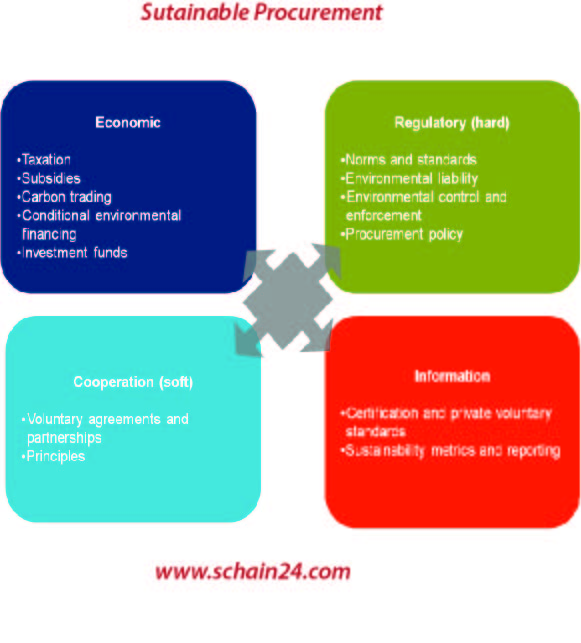
There are different levels of focus in the dimensions of sustainability and also in what is sustainable procurement. Focus on the supply chain network entails managing and balancing the supplier portfolio. The impact of fair trade or eco-labels can be on end-user buying behavior. CSR purchasing policies and CSR functions are integrated with purchasing..
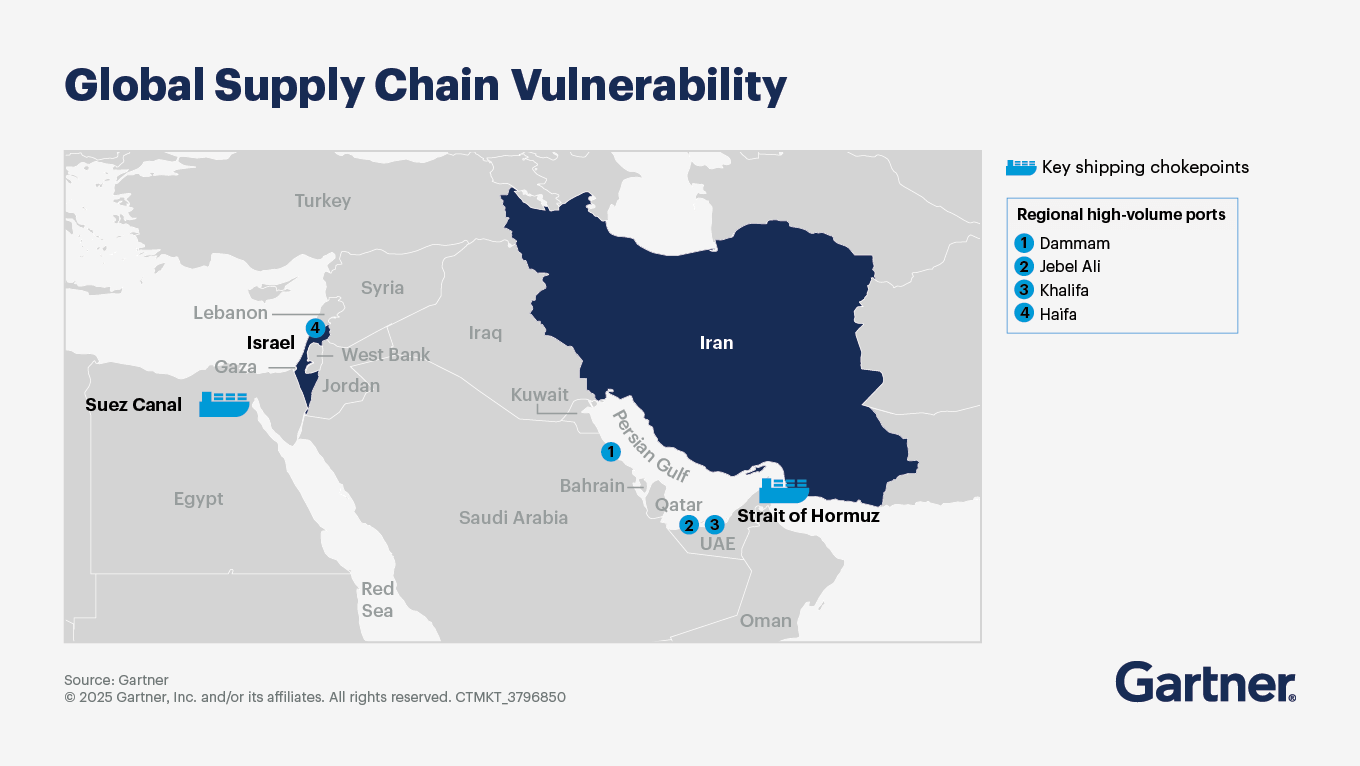
The 2026 Iran-Israel-US war has severely disrupted global supply chains, primarily through near-halt of traffic in the Strait of Hormuz — which normally carries 20% of seaborne oil and 20-25% of LNG — along with escalated threats in the Red Sea and damage to energy infrastructure. This has caused sharp surges in oil and LNG prices, higher freight rates, rerouting via the Cape of Good Hope (adding 10–14 days), and shortages in fertilizers, aluminum, helium, and petrochemicals, threatening agriculture, manufacturing, and consumer goods worldwide.South Asia, heavily reliant on Middle Eastern energy and fertilizers, faces rising costs, shipping delays, and risks to food security and exports. As of early April 2026, countries like Bangladesh, India, and Pakistan are mitigating impacts through emergency imports (including from Russia with waivers), fuel rationing, conservation measures, supplier diversification, and strategic reserves. Navigating Supply Chain Disruptions in 2026, while these steps have prevented immediate collapse, they bring higher inflation and economic strain, especially for Bangladesh’s RMG sector.
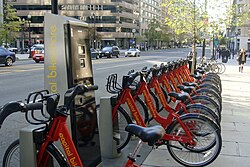
Last mile delivery is the final part of the supply chain, where goods move from distribution centers to customers’ locations. This phase is crucial for customer satisfaction. It’s the most complex and expensive part of logistics, accounting for 30-50% of total costs. Urban environments present challenges like traffic and delivery timing. Technological solutions, such as drones, autonomous vehicles, AI, and the Internet of Things, are being used to improve efficiency.Electric vehicles and eco-friendly options are being adopted to enhance sustainability. Systems like Amazon Lockers help reduce failed deliveries. Future innovations focus on faster, cheaper, and greener delivery methods, including autonomous robots.It is evolving with technology and sustainability practices to meet rising consumer demands in urban settings.
You must be logged in to post a comment.
Great! It's supply chain management site. Many valuable resources available here. Thanks from Mobile Marketing
great site very educative and professional blogs
Supply chain management is becoming important for consumer confidence in certified products.Supply chain management courses
Hi,
I am appreciated .
Please visit upcoming articles also.
Thanking you.
Certification is important for a professional.But to continue certification procedures are a bit costly.
thanks for having such a nice and easy site! i’m not very cpumoter literate and i’m not able to download anything like so many other places require you to do. thanks for making yours user friendly!
whoah this weblog is fantastic i love studying your posts.
Stay up the good work! You already know, many individuals are hunting round for this info,
you could aid them greatly.