

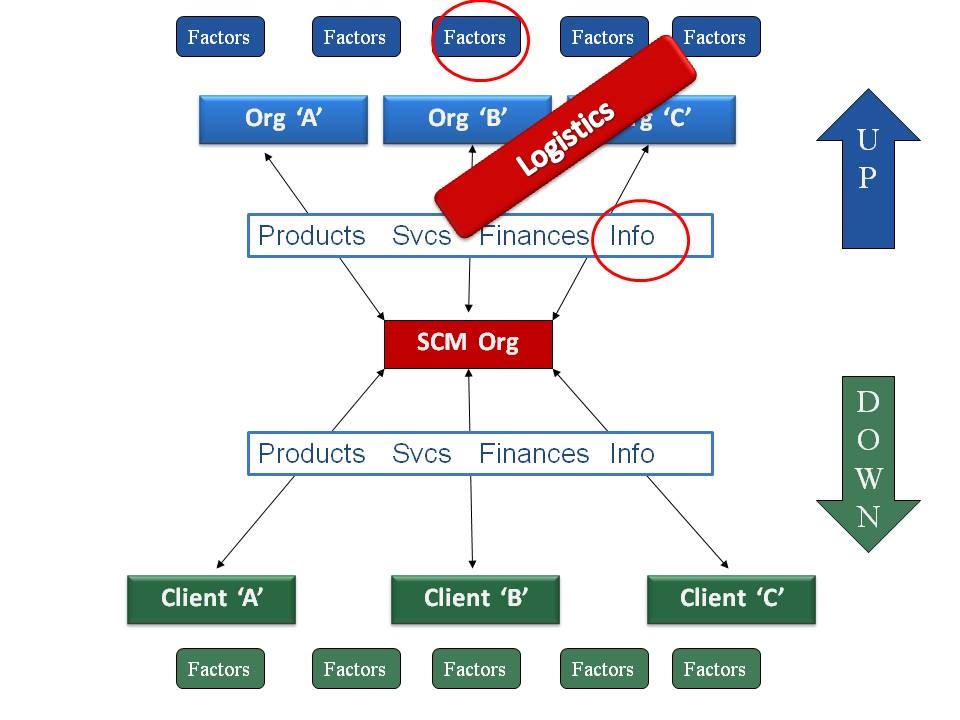
In a case study, based on USA-based companies, first-level management is of about 0-4 years.To understand the supply chain management career we can remind ourselves about the example of leaf cutter ants.But Supply Chain Managers attempt and optimize the steps to produce the necessary amount of product and deliver the product to the end user at the right time when consumers need it.APICS, Founded in 1957 as American Production and Inventory Control Society and re-branded as The Association for Supply Chain Management in 2018, launched their CSCP (Certified Supply Chain Professional) programme in 2006. Institute for Supply Management, Founded in 1915 as the National Association of Purchasing Agents, launched its CPSM Certified Professional in Supply Management programme in 2008. Council of Supply Chain Management Professionals, Founded in 1963 as the Council of Logistics Management, launched their SCPro programme in 2011.For Supply Chain Management roles, “Process Engineer”, and “Supply Chain Analyst”.For Supply Chain Systems Manager roles, “ Supply Chain Manager”, Vice President, Supply Chain Management”.For Sales and Customer Service roles, “Account Specialist”/ “Customer Service”, “Customer Service Manager”, “Account Manager/Supply Chain Sales” etc.
Search Results for: supply chain planning

Supply Chain Analytics: A conceptual discussion
A study supports the concept of an analytics culture built on advanced data management processes, technologies, and talent. SCAG can strengthen firms’ core features, such as ambidexterity, adaptability, and swiftness, enabling them to upgrade their performance in terms of sales, profit, and return on investment. SCAC can improve end-to-end supply chain productivity and eliminate market fragmentation. The study finds a significant positive relationship between SCAC and firm performance, with a mediating effect on supply chain agility. This could guide managers in investing in SCAC and considering complementary assets like supply chain agility to achieve a continued competitive advantage. SCAC can accelerate FPER by establishing robust agility in operations.

Weather impacts on supply chain management: An analysis
Supply chains engender great opportunities for the weather forecasting industry to advance. Those who can utilize these kinds of forecasting, are beneficial to some extent and preserved from loss of weather disruptions. On one hand, the impact of weather in many cases increases the cost of the supply chain, on the other hand, it decrements the visibility of the supply chain due to inclement weather. Various weather stations measure weather data such as rainfall, shipping, etc. Weather cognate courses are being evolved for supply chain managers to tackle weather disruption issues well. The other utilization of weather reports from third-party companies can help forecast early solutions and point out the affected areas.
Supply Chain Management and its Drivers:
Abstract The logistical drivers are facilities, inventory, and transportation. Inventory denotes all raw materials, WIP, and finished goods in a supply chain. On the other hand, transportation involves moving inventory from point to point. Information is data about facilities, inventory, transportation, costs, prices and customers throughout the supply chain, also gives shipping options to managers. Pricing drivers determine the price […]
A brief discussion about digital supply chain management
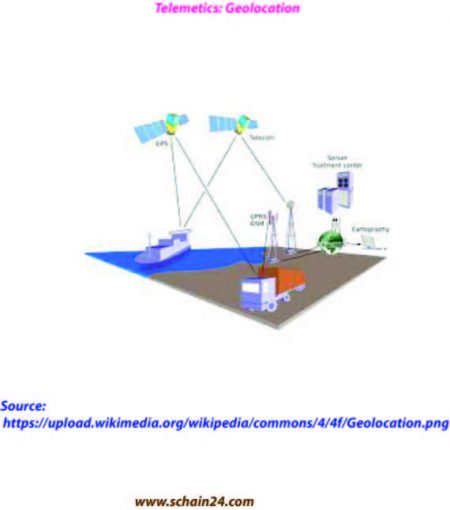
Digital supply chain risk due to the potential for Internet of Things (IoT) security vulnerabilities, which arise when assets and machines share data via sensors and software, the digital supply chain may be exposed to danger. Stages of digital supply chain management involve planning out processes and inventory before advancing to order management.
A discussion about lack of supply chain coordination and the bullwhip effect
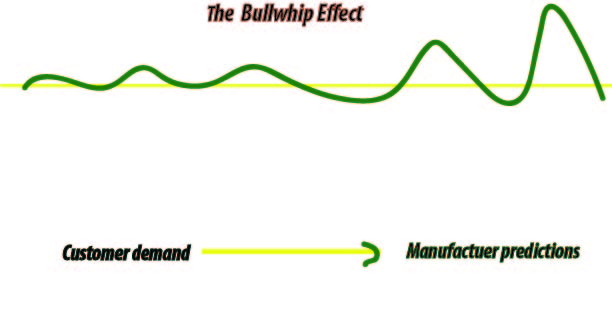
In SCM, a supply chain manager coordinates the logistics of all the aspects of the supply chain which consists of five parts: the plan or strategy, the source of raw materials and services, manufacturing, i.e., productivity and efficiency, delivery and logistics, the return system for defective and unwanted goods etc. The phenomenon that fluctuation in orders increases as one moves up the supply chain from retailers to wholesalers to manufacturers to suppliers is referred to the bullwhip effect. Managers can help achieve coordination in supply chain by aligning goals and incentives across different functions and stages of the supply chain. When supply chain moves from retailers to wholesalers to manufacturers to suppliers, the bullwhip effect occurs. It results in different stages optimizing local objectives instead of total supply chain profits. The bullwhip effect results in costs in the supply chain and decrease in levels of customer service.
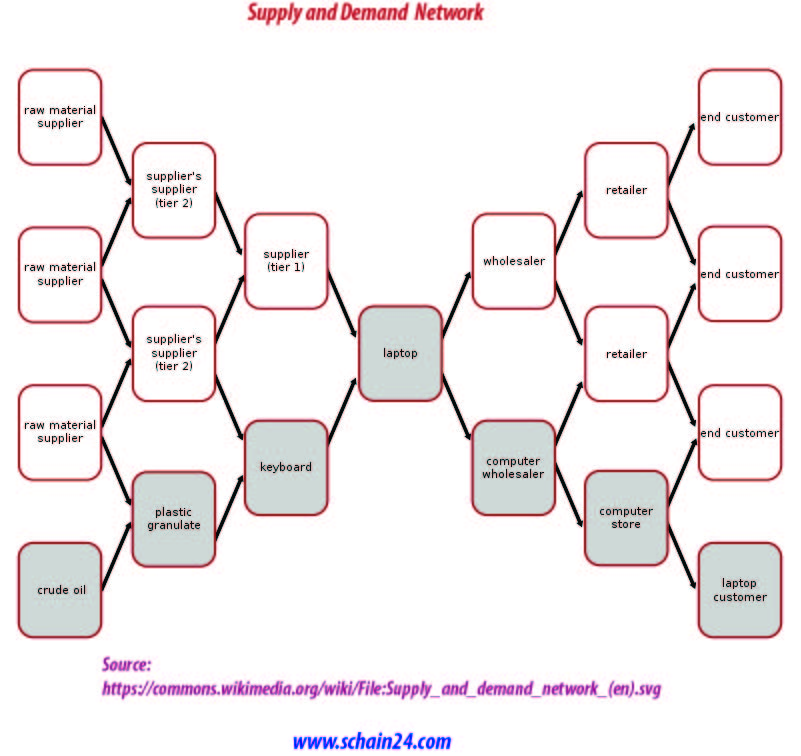
Supply chain: how to define the term and the process in general
The design decisions determine the supply chain configuration and set constraints within which other supply chain drivers can be used either to decrease supply chain cost or to increase responsiveness. Mapping your supply chain denotes accumulating information about your suppliers, their own suppliers, and the people who work in your supply chain to engender an ecumenical map of your supply network. Supply-chain-management software (SCMS) is the software tools or modules used in executing supply chain transactions, managing supplier relationships and controlling associated business processes.