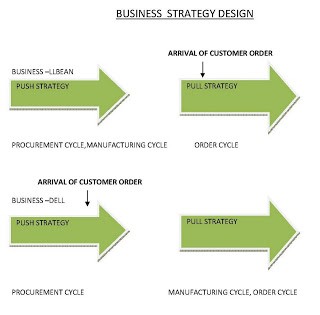
The company will qualify the suppliers to determine the best product for the business. It concretely defines the price, designations and terms and conditions of the product or accommodation and any supplemental obligations. The purchase order must be distributed, conventionally by fax, mail, personally, email or other electronic designates. The issues most often noted include payment dates, distribution times and work completion. Once the sending company distributes the product, the recipient accepts or rejects the items. Acceptance of the items obligates the company to pay for them. Three documents must match when an invoice requests payment – the invoice itself, the receiving document and the pristine purchase order.These include purchase records to verify any tax information and purchase orders to corroborate warranty information. The procurement department desires to offer simple, bottom line reporting to the higher management e.g., purchase fee index consistent with client/supplier etc. There should be a component, in keeping with which a much extra free time might be there to make a plan and do procurement capabilities and wrong things are discovered which need correction. Procurement and other capabilities: Procurement isn’t always very much an awful lot separate trouble with relation to other functions of a supply chain or commercial enterprise. it’s the solution to the question, why are we here? An imaginative and appropriate announcement narrates, what procurement branch of the firm expects to be its destiny? Eighty percent of one’s time to be spent with top 10-20% suppliers, take away “C” grade providers , broaden talent level, do the paper works , not an excessive amount of time spent for making plans.